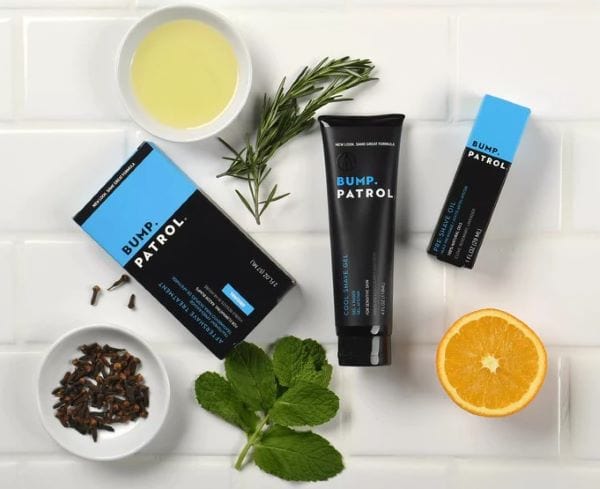

Pre-Shave Oil: What It Is, Why You Need It, and How to Use It
Most men's shaving routine looks something like this: splash water on your face, apply shaving cream, shave. That's it. But if you're dealing with razor burn, ingrown hairs, or that annoying tugging sensation mid-shave, there's a good chance you're skipping a step that could fix all of it.
Pre-shave oil gets dismissed as a gimmick—just another product designed to drain your wallet. But it's genuinely one of the most practical upgrades you can make to your shave. No new razor, no technique overhaul. Just one extra step before your shaving cream that builds a protective layer between your skin and the blade while making facial hair easier to cut through.
What Is Pre-Shave Oil?
Pre-shave oil is a lightweight, fast-absorbing oil you apply to your face before shaving cream or gel. It's not a moisturizer or a thick balm—it's formulated to create a thin, slick layer that works with your razor rather than against it.
The best formulas use natural ingredients like argan oil, coconut oil, or hemp oil, each chosen for a reason. Argan oil delivers excellent slip and hydration. Coconut oil brings natural antibacterial properties. Hemp oil reduces inflammation and prevents irritation from developing. These oils soften facial hair while creating a buffer between your skin and the blade—basically prepping everything before you start shaving.
The Science Behind Why It Works
Facial hair is surprisingly tough. Each whisker contains keratin—the same protein in your fingernails—and can match copper wire's strength at the same thickness. When tough hair meets a razor without proper prep, you get resistance: pulling, tugging, and angry skin.
Here's what pre-shave oil actually does about that:
Softens Hair Structure: Oil works into each hair shaft, so whiskers give way instead of pushing back. The result is noticeably less drag and a razor that moves the way it's supposed to.
Maintains Lubrication: Shaving cream disappears as you work through each pass, which leaves patches of skin exposed. Pre-shave oil sits underneath the whole time, keeping that slick layer intact from the first stroke to the last.
Creates a Protective Barrier: Think of it as a cushion between your skin and the blade—fewer nicks, cuts, and that harsh scraping feeling.
Calms Skin Early: The anti-inflammatory ingredients get to work immediately, so your skin stays calm instead of getting angry.
Who Benefits Most?
Pre-shave oil helps everyone, but certain guys see dramatic improvements.
Men with Coarse or Thick Hair
Thick, wiry facial hair puts up a fight against any razor. Pre-shave oil takes that resistance out of the equation—your razor moves through cleanly, and the result shows.
Those Prone to Razor Burn and Ingrown Hairs
If red, bumpy skin is just part of your post-shave reality, the added slip and protection from pre-shave oil can genuinely change that. Cut the friction, cut the irritation.
Men with Sensitive Skin
There's no margin for error when your skin reacts to everything. Pre-shave oil acts like insurance—that extra layer of protection can mean the difference between walking away comfortable or spending hours dealing with irritation.
Daily Shavers
Shaving every day beats up your face. All that blade contact adds up, and pre-shave oil helps your skin recover faster between shaves.
How to Use Pre-Shave Oil Correctly
Getting this right matters. Use it wrong, and you won't see much difference.
Step 1: Start with Clean, Damp Skin
Wash your face with warm water to clear away dirt, oil, and dead skin cells. Keep your skin slightly damp—moisture helps the oil spread evenly and soak in properly.
Step 2: Use Less Than You Think
Three to four drops is enough for your entire face. Start there. Too much oil can clog your razor and actually make your shave worse.
Step 3: Work It In
Warm the oil between your palms, then massage it into your beard and skin using circular motions. Spend a little extra time on the spots that usually cause you grief.
Step 4: Give It Time
Resist the urge to move straight to the next step. Give it 30 to 60 seconds—that's all it takes for the oil to sink into your whiskers and actually do its job.
Step 5: Layer Your Shaving Cream
Don't rinse. Apply your shaving cream or gel directly over the oil and shave as normal. The oil keeps working underneath the whole time.
What to Look for in a Quality Pre-Shave Oil
Ingredients matter more than marketing claims.
Natural, Plant-Based Ingredients
Look for argan, jojoba, coconut, or hemp oil as the foundation. These deliver real lubrication without the synthetic additives that tend to cause more problems than they solve.
Lightweight Formula
A good pre-shave oil disappears into your skin fast—no greasy residue, no heavy film sitting on top. If it feels like you're wearing it, it's too thick.
Paraben-Free
Parabens are preservatives that can trigger irritation, especially if you have sensitive skin. Skip them entirely.
Useful Essential Oil Additions
Tea tree or eucalyptus oil can add antibacterial and soothing benefits. Nice to have, but not make-or-break features.
Mistakes That Limit Your Results
Good products can still fail if you're making these common errors.
Using Too Much: Excess oil clogs the razor and works against a close shave. Start small.
Skipping the Absorption Time: Layering shaving cream on immediately means the oil never gets a chance to penetrate. That 30 to 60 second window isn't optional—it's the whole point.
Applying to Completely Dry Skin: Oil doesn't spread or absorb well on dry skin. A little moisture goes a long way toward getting even coverage.
Choosing a Heavy or Heavily Fragranced Formula: Thick oils and strong synthetic fragrances can do more harm than good, especially on sensitive skin. Keep it lightweight and clean.
Fitting It Into Your Routine
Nothing about your current routine needs to change dramatically. Pre-shave oil just slots in at the beginning:
- Cleanse with warm water
- Apply pre-shave oil
- Wait 30–60 seconds
- Apply shaving cream or gel
- Shave as normal
- Rinse and follow with aftershave or moisturizer
Add maybe a minute to your morning. That's the trade-off.
A Few Advanced Techniques
Once the basics feel automatic, these are worth trying.
Hot Towel Treatment: Press a hot, damp towel against your face for a minute or two after applying the oil. The heat drives the oil deeper and leaves your whiskers noticeably softer before the razor touches them.
Seasonal Adjustments: Cold, dry winter air pulls moisture out of your skin, so lean into a slightly heavier application. In summer, when humidity is doing some of that work for you, dial it back.
Targeted Application: If irritation only hits certain spots—like your neck—skip the full-face application. Focus the oil where you actually need it.
A Small Investment with Real Returns
Quality pre-shave oil costs less than you'd spend treating razor burn and ingrown hairs after they happen. Prevention beats damage control every time—it's more comfortable and cheaper in the long run. The right formula uses natural ingredients, absorbs quickly, and skips unnecessary additives that can backfire on your skin. Once it's part of your routine, shaving stops feeling like a chore and starts working the way it should.
Ready to upgrade your shave? Explore premium grooming products built for the modern man at patrolgrooming.com.