How to Shave Your Head Without Razor Bumps: Complete Guide 2026
Table of Contents
- Why Head Shaving Causes Razor Bumps
- Pre-Shave Preparation for Your Scalp
- Essential Tools and Products
- Step-by-Step Head Shaving Technique
- Post-Shave Care That Prevents Bumps
- Common Head Shaving Mistakes to Avoid
- Maintaining Your Smooth Scalp
- When to Seek Professional Help
- FAQs
- Conclusion
Razor bumps on your scalp can turn head shaving from a confidence boost into a painful nightmare. Those red, inflamed bumps don't just hurt — they make you want to hide under a hat for weeks.
The good news? You can get that smooth, bump-free scalp you want. This guide covers everything from proper technique to the right products, giving you the tools to shave your head without the irritation.
Why Head Shaving Causes Razor Bumps
Your scalp faces unique challenges that make razor bumps more likely than face shaving. The skin on your head is thinner and more sensitive than you might think.
Curved surfaces create problems. Your head's shape forces the razor to navigate curves and angles. This makes it harder to maintain consistent pressure and angle, leading to uneven cuts and irritation.
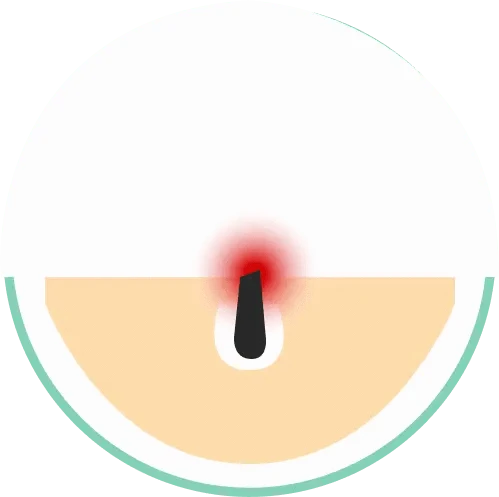
Hair grows in multiple directions. Scalp hair doesn't all grow the same way. Some areas grow forward, others backward or sideways. Shaving against these different grain patterns increases your risk of ingrown hairs.
Less natural lubrication. Your scalp produces less oil than your face. Without enough natural moisture, the razor drags across dry skin, causing micro-cuts and inflammation.
Harder to see what you're doing. You can't easily see the back and sides of your head. This leads to repeated passes over the same area, which irritates the skin and creates bumps.
Men with coarse or curly hair face even higher risks. The hair's natural curl pattern makes it more likely to grow back into the skin after cutting.
Pre-Shave Preparation for Your Scalp
Proper preparation sets the foundation for a bump-free shave. Skip these steps, and you're asking for trouble.
Start with a warm shower. Hot water softens your hair and opens pores. Spend at least 5 minutes letting warm water run over your scalp. This makes hair easier to cut and reduces the force needed from your razor.
Exfoliate gently. Use a soft brush or exfoliating scrub to remove dead skin cells. This prevents them from clogging pores and trapping hairs. Don't scrub hard — gentle circular motions work better.
Trim long hair first. If your hair is longer than a quarter inch, use clippers to trim it down. Long hair clogs razors and makes smooth passes impossible.
Apply pre-shave oil. A few drops of oil create an extra barrier between your skin and the razor. Look for oils with natural ingredients like jojoba or argan oil that won't clog pores.
Essential Tools and Products
The right equipment makes all the difference between a smooth shave and a bumpy disaster.
Choose your razor wisely. Single-blade razors cause less irritation than multi-blade options. They don't pull and tug at hair like multiple blades do. Safety razors or high-quality disposables work well for beginners.
Invest in quality shaving cream. Cheap foam from a can doesn't provide enough protection. Look for creams or gels that create a thick, slippery barrier. Products with natural moisturizers help protect sensitive scalp skin.
Get the right mirrors. You need to see what you're doing. A handheld mirror plus your bathroom mirror lets you check all angles. Some people prefer a three-way mirror for better visibility.
Use a clean, sharp blade. Dull blades require more pressure and cause more irritation. Replace your blade after 3-5 head shaves, or sooner if it starts tugging at hair.
Have aftercare ready. You'll need products specifically designed to prevent razor bumps and soothe irritated skin immediately after shaving.
Step-by-Step Head Shaving Technique
Follow this method to minimize your risk of razor bumps and achieve a smooth result.
Step 1: Map your hair growth. Before you start, run your hand over your scalp to feel which direction hair grows in different areas. This varies from person to person.
Step 2: Start with the grain. Always shave in the direction hair grows first. This reduces the chance of hair being cut too short and growing back into the skin.
Step 3: Use light pressure. Let the razor's weight do the work. Pressing hard increases friction and irritation. If hair isn't cutting easily, you need more lubrication or a sharper blade.
Step 4: Take short strokes. Long strokes are harder to control on curved surfaces. Short, overlapping passes give you better control and more consistent results.
Step 5: Rinse frequently. Clean your blade after every few strokes. Hair and cream buildup makes the razor less effective and more likely to cause irritation.
Step 6: Check your work. Use your mirrors to inspect for missed spots. It's better to make one careful pass than multiple sloppy ones.
Step 7: Consider a second pass. If you want a closer shave, reapply shaving cream and go across the grain (perpendicular to hair growth). Avoid going against the grain on your first few shaves.
Post-Shave Care That Prevents Bumps
What you do immediately after shaving determines whether you'll get razor bumps. This step is just as important as the shaving technique itself.
Rinse with cool water. Cold water closes pores and reduces inflammation. It also removes any remaining shaving cream or loose hairs.
Pat dry, don't rub. Rubbing with a towel irritates freshly shaved skin. Gently pat your scalp dry with a clean towel.
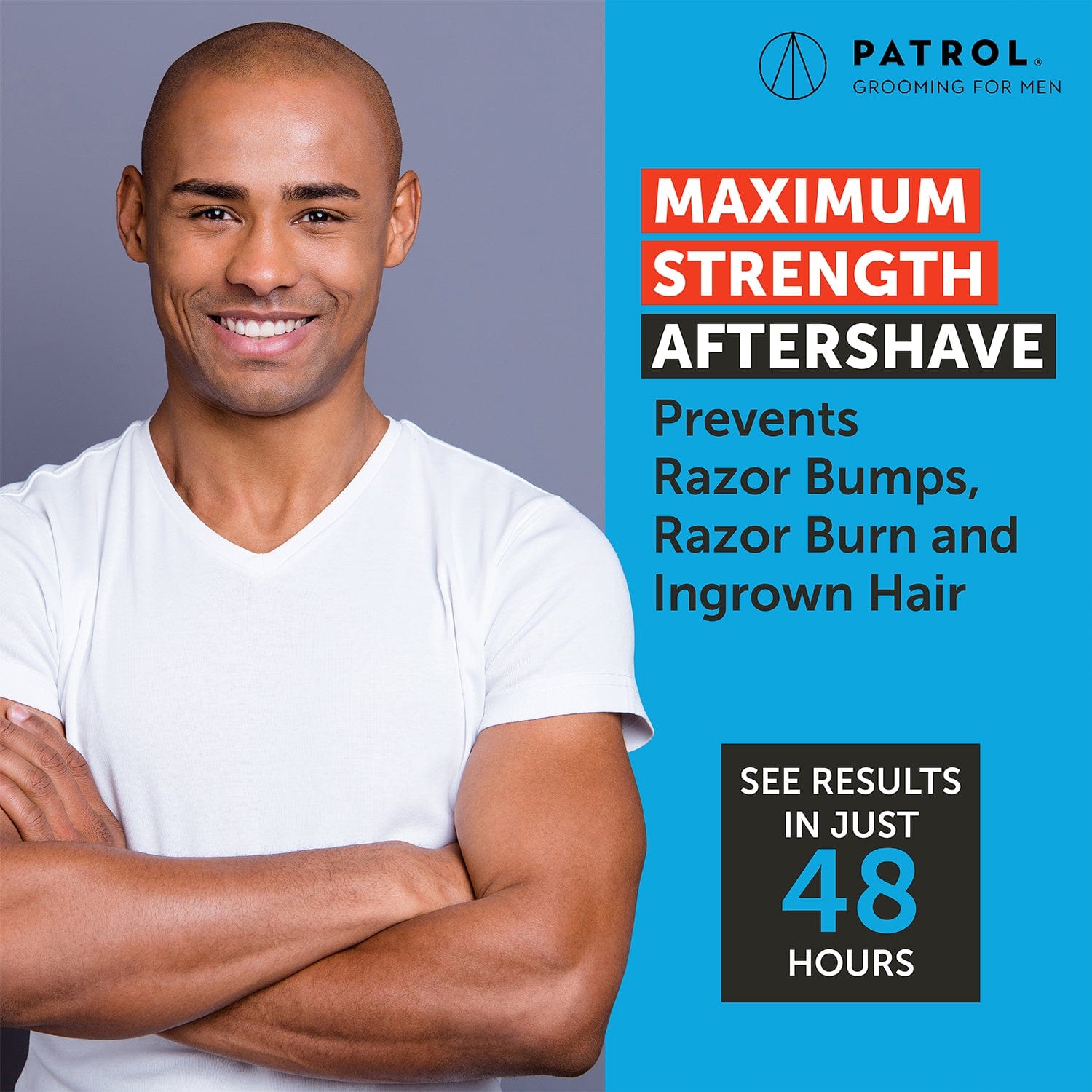
Apply aftershave treatment immediately. This is where quality products make the biggest difference. Look for aftershaves specifically designed to prevent razor bumps and ingrown hairs.
Avoid harsh ingredients. Skip products with alcohol, which can dry out and irritate your scalp. Instead, choose formulas with natural ingredients that soothe and protect skin.
Moisturize regularly. Keep your scalp hydrated between shaves. Dry skin is more prone to irritation and ingrown hairs.
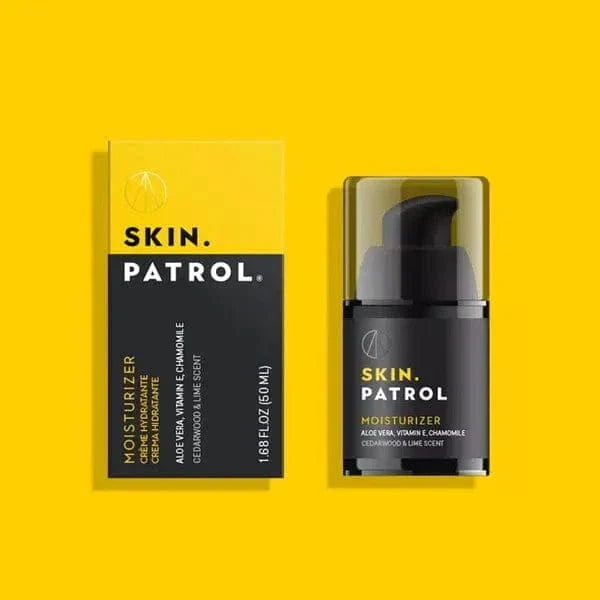
For men dealing with persistent razor bumps, products like those available at patrolgrooming.com are specifically formulated to address these issues. Their plant-based formulas with essential oils like hemp and argan oil help prevent bumps while keeping your scalp healthy.
Common Head Shaving Mistakes to Avoid
These mistakes cause most razor bump problems. Avoid them and you'll see immediate improvement.
Shaving too often. Your scalp needs time to recover between shaves. Daily shaving increases irritation risk, especially when you're starting out. Every other day or every third day works better for most people.
Using the wrong products. Regular face shaving products aren't always right for your scalp. The skin is different and may need gentler formulations.
Ignoring problem areas. Some parts of your scalp are more prone to bumps. Pay extra attention to these areas and consider using specialized treatments.
Rushing the process. Head shaving takes time, especially at first. Rushing leads to mistakes, cuts, and irritation.
Not cleaning your tools. Dirty razors harbor bacteria that can cause infections and worsen razor bumps. Clean your razor thoroughly after each use.
Skipping aftercare. Many men think the job is done after rinsing off shaving cream. Proper aftercare prevents most razor bump problems.
Maintaining Your Smooth Scalp
Keeping your head bump-free requires ongoing care, not just good shaving technique.
Establish a routine. Consistency prevents problems. Shave on the same schedule and use the same products that work for you.
Monitor your skin. Pay attention to how your scalp reacts to different products and techniques. What works for others might not work for you.
Adjust for seasons. Your scalp's needs change with weather. You might need more moisturizing in winter or lighter products in summer.
Keep tools maintained. Replace blades regularly and keep your razor clean. Good tools last longer and perform better.
Stay hydrated. Drinking enough water keeps your skin healthy from the inside out. Dehydrated skin is more prone to irritation.
When to Seek Professional Help
Sometimes razor bumps become a persistent problem that needs professional attention.
See a dermatologist if bumps don't improve. If you're following proper technique and using quality products but still getting severe bumps, you might have an underlying skin condition.
Consider professional treatments. Some dermatologists offer treatments specifically for razor bumps and ingrown hairs.
Ask about prescription options. In severe cases, prescription treatments might be necessary to break the cycle of inflammation and ingrown hairs.
Get advice on technique. A professional barber can teach you proper head shaving technique and recommend products for your specific skin type.
FAQs
How often should I shave my head to avoid razor bumps?
Start with every 2-3 days and adjust based on how your skin responds. Daily shaving increases irritation risk, especially for beginners. Your scalp needs time to recover between shaves.
Can I use the same products for my head and face?
While some products work for both, your scalp skin is different from facial skin. It's often more sensitive and has different moisture needs. Products specifically designed for head shaving typically work better.
What's the best razor for head shaving without bumps?
Single-blade razors cause less irritation than multi-blade options. Safety razors or high-quality disposables work well. The key is using a sharp, clean blade with proper technique rather than relying on multiple blades.
How long does it take for razor bumps to heal?
Most razor bumps heal within 48-72 hours with proper care. Severe bumps or ingrown hairs might take a week or more. Using specialized aftershave treatments can speed healing.
Should I shave against the grain for a closer cut?
Avoid shaving against the grain, especially when starting out. This dramatically increases your risk of ingrown hairs and razor bumps. Shaving with the grain, then across the grain gives good results with less irritation.
What ingredients should I avoid in head shaving products?
Avoid products with high alcohol content, harsh sulfates, and synthetic fragrances. These can dry out and irritate your scalp. Look for natural, moisturizing ingredients instead.
Can electric shavers prevent razor bumps on my head?
Electric shavers can reduce razor bumps for some people because they don't cut as close to the skin. However, they may not give you the smooth result you want. Try both methods to see what works better for your skin.
Conclusion
Shaving your head without razor bumps comes down to proper preparation, good technique, and quality aftercare. Take your time, use the right products, and pay attention to how your skin responds.
Remember that everyone's skin is different. What works perfectly for your friend might not work for you. Start with these fundamentals and adjust based on your results.
The key is consistency and patience. Your first few head shaves might not be perfect, but following these steps will help you avoid the worst problems while you develop your technique.
For specialized products designed to prevent razor bumps and keep your scalp healthy, learn more at patrolgrooming.com.