
Ingrown Hair Treatment for Men: 5 Methods That Actually Work in 2026
Table of Contents
- What Are Ingrown Hairs and Why Do Men Get Them?
- Method 1: Specialized Aftershave Treatment
- Method 2: Proper Exfoliation Technique
- Method 3: Hot Compress and Gentle Extraction
- Method 4: Chemical Exfoliants (AHA/BHA)
- Method 5: Prevention Through Better Shaving
- When to See a Professional
- Building Your Complete Treatment Routine
- FAQs
- Conclusion
Ingrown hairs are more than just a minor annoyance. They're painful, unsightly bumps that can destroy your confidence and make shaving feel like punishment.
If you're tired of dealing with razor bumps and ingrown hairs that keep coming back, you're not alone. Men who shave regularly face this problem daily, especially those with coarse or curly hair. The good news? There are proven methods that actually work to treat and prevent ingrown hairs.
This guide covers five effective treatments you can use right now, plus prevention strategies to stop ingrown hairs before they start.
What Are Ingrown Hairs and Why Do Men Get Them?
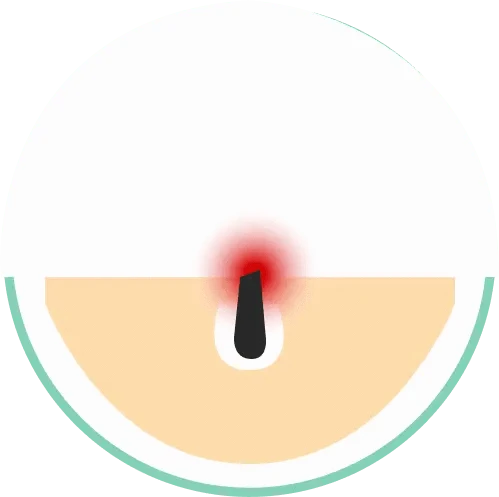
Ingrown hairs happen when hair grows back into your skin instead of up and out of the follicle. The trapped hair creates inflammation, leading to red bumps, pain, and sometimes infection. The medical term for chronic ingrown hairs is pseudofolliculitis barbae.
Men with coarse, curly, or thick hair are more prone to ingrown hairs. When you shave, the sharp edge of cut hair can curl back and pierce the skin as it grows. This is especially common on the face, neck, and head where hair is naturally coarser.
Several factors make ingrown hairs worse:
- Shaving too close to the skin
- Using dull razor blades
- Shaving against the grain
- Not preparing skin properly before shaving
- Skipping aftershave treatment
Method 1: Specialized Aftershave Treatment
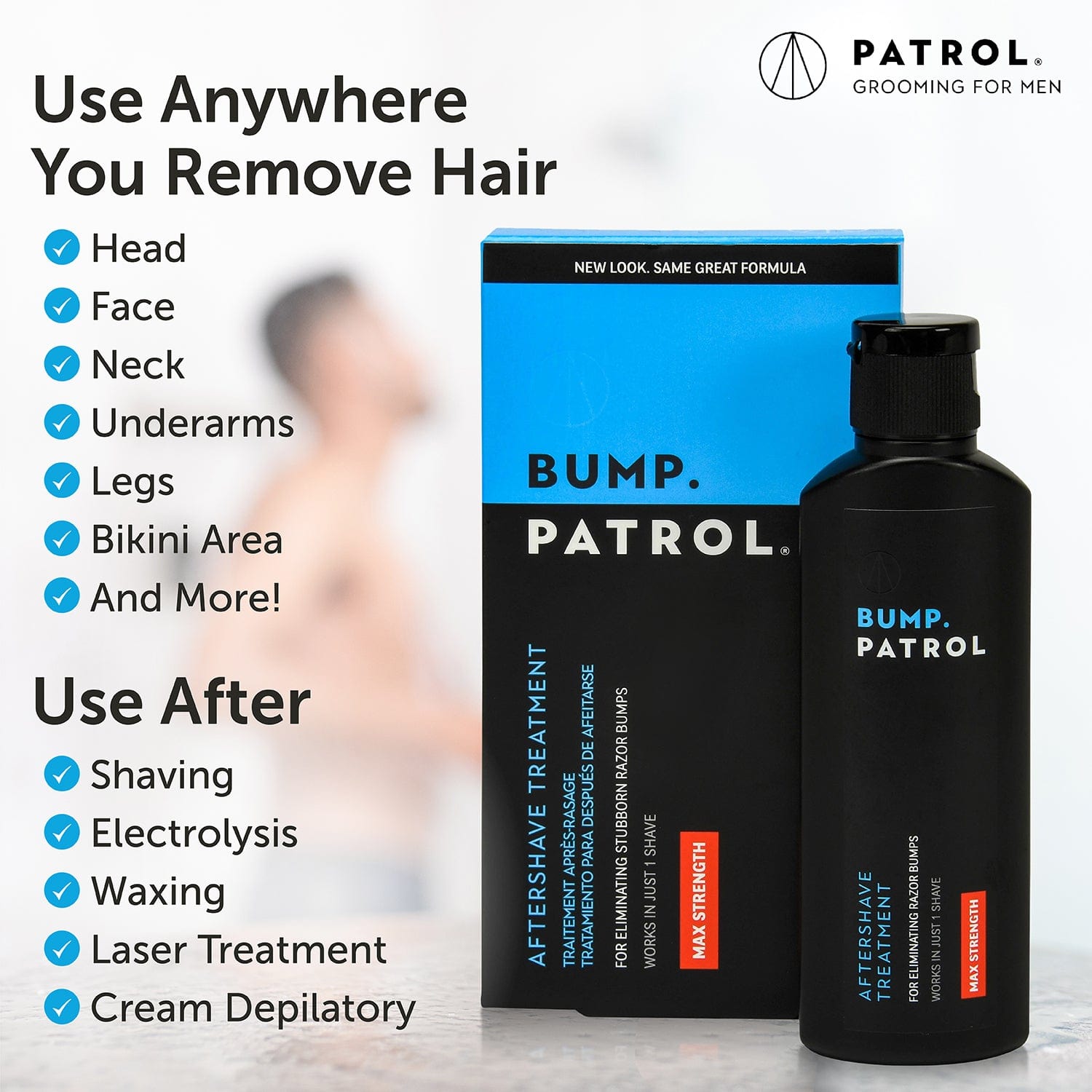
The most effective way to treat existing ingrown hairs is with a targeted aftershave designed specifically for this problem. Unlike regular aftershave that just cools and scents your skin, specialized treatments contain ingredients that reduce inflammation and help trapped hairs break free.
Look for aftershaves with these key ingredients:
Salicylic acid - Penetrates pores to dissolve dead skin cells blocking hair follicles
Glycolic acid - Gently exfoliates surface skin to free trapped hairs
Tea tree oil - Natural antiseptic that prevents infection
Witch hazel - Reduces inflammation and soothes irritated skin
Apply aftershave treatment immediately after shaving and again before bed. The best products work within 48 hours to visibly reduce bumps and inflammation.
When choosing an ingrown hair aftershave, avoid products with harsh chemicals like parabens, sulfates, or petroleum. These can further irritate sensitive skin. Instead, look for plant-based formulas with essential oils like hemp, argan, and coconut oil that nourish while they heal.
Method 2: Proper Exfoliation Technique
Dead skin cells can trap growing hairs and create ingrown bumps. Regular exfoliation removes this buildup and helps existing ingrown hairs break through the surface.
Physical Exfoliation:
Use a gentle scrub or exfoliating brush 2-3 times per week. Work in circular motions with light pressure. Don't scrub aggressively - this can worsen inflammation and create more ingrown hairs.
When to Exfoliate:
- Before shaving to lift hairs and remove dead skin
- On non-shaving days to prevent buildup
- Never immediately after shaving on irritated skin
DIY Exfoliation:
Mix equal parts brown sugar and coconut oil for a natural scrub. The sugar removes dead skin while coconut oil moisturizes and has anti-inflammatory properties.
Start slowly with exfoliation. Over-exfoliating can damage your skin barrier and make ingrown hairs worse. If you notice increased redness or irritation, reduce frequency.
Method 3: Hot Compress and Gentle Extraction
For stubborn ingrown hairs you can see under the skin, a hot compress can help bring them to the surface safely.
Hot Compress Method:
- Soak a clean washcloth in hot water
- Apply to the ingrown hair area for 10-15 minutes
- Repeat 3-4 times daily until the hair emerges
The heat softens skin and opens pores, making it easier for trapped hairs to break free naturally. Never try to dig out ingrown hairs with tweezers or needles - this can cause scarring and infection.
Safe Extraction (Only if hair is visible):
If you can see the hair loop above the skin surface:
- Sterilize tweezers with rubbing alcohol
- Gently lift the hair loop - don't pull it out completely
- Let the hair grow normally
- Apply antiseptic aftershave
Most ingrown hairs will resolve on their own with proper treatment. Attempting extraction too early or aggressively often makes the problem worse.
Method 4: Chemical Exfoliants (AHA/BHA)
Chemical exfoliants work differently than physical scrubs. They dissolve the bonds between dead skin cells without mechanical friction, making them gentler for sensitive skin.
Alpha Hydroxy Acids (AHA):
Glycolic and lactic acids work on the skin surface to remove dead cells and smooth texture. Best for normal to dry skin.
Beta Hydroxy Acids (BHA):
Salicylic acid penetrates deeper into pores to clear blockages. Better for oily or acne-prone skin.
How to Use Chemical Exfoliants:
- Start with 2% concentration 2-3 times per week
- Apply to clean, dry skin before moisturizer
- Always use sunscreen - AHA/BHA increase sun sensitivity
- Never use on the same day as physical exfoliation
Chemical exfoliants take 4-6 weeks to show full results. Be patient and consistent. If you experience burning or excessive dryness, reduce frequency or concentration.
Method 5: Prevention Through Better Shaving
The best ingrown hair treatment is prevention. Proper shaving technique can eliminate most ingrown hairs before they start.
Pre-Shave Preparation:
- Shower or wash with warm water to soften hair
- Use pre-shave oil to create a protective barrier
- Apply quality shaving gel or cream - never dry shave
Shaving Technique:
- Use a sharp, clean razor blade
- Shave with the grain, not against it
- Use light pressure - let the razor do the work
- Rinse blade frequently during shaving
- Take your time - rushing leads to nicks and irritation
Post-Shave Care:
- Rinse with cool water to close pores
- Pat dry - don't rub with towel
- Apply aftershave treatment immediately
- Moisturize to prevent dry, flaky skin
Razor Maintenance:
Replace disposable razors after 5-7 shaves. For safety razors, change blades after 3-5 uses. Dull blades tug at hair and increase ingrown hair risk.
Consider shaving every other day instead of daily. This gives skin time to heal and reduces cumulative irritation.
When to See a Professional
Most ingrown hairs respond well to at-home treatment. However, see a dermatologist if you experience:
- Severe pain or swelling
- Signs of infection (pus, red streaking, fever)
- Ingrown hairs that don't improve after 2 weeks
- Scarring or dark spots from previous ingrown hairs
- Ingrown hairs covering large areas
Professional treatments include prescription retinoids, antibiotic creams, or laser hair removal for chronic cases. A dermatologist can also safely extract deeply embedded ingrown hairs.
Building Your Complete Treatment Routine
Effective ingrown hair treatment requires consistency. Here's a daily routine that works:
Morning (Shaving Days):
- Warm water cleanse
- Pre-shave oil
- Quality shaving cream
- Proper shaving technique
- Cool water rinse
- Aftershave treatment
- Moisturizer with SPF
Evening:
- Gentle cleanser
- Aftershave treatment (if skin isn't irritated)
- Moisturizer
2-3 Times Per Week:
- Gentle exfoliation (physical or chemical, not both)
The key is finding products that work together without over-treating your skin. Plant-based formulas with proven ingredients often provide the best balance of effectiveness and gentleness.
For men dealing with persistent razor bumps and ingrown hairs, specialized treatment systems can provide faster, more reliable results than mixing random products. Look for brands that offer money-back guarantees and have proven track records with thousands of customers.
Ready to stop dealing with painful ingrown hairs? Learn more at patrolgrooming.com about plant-based solutions that work in 48 hours or your money back.
FAQs
How long do ingrown hairs take to heal?
Most ingrown hairs resolve within 1-2 weeks with proper treatment. Specialized aftershave treatments can reduce inflammation and bumps within 48 hours, while the hair itself may take longer to fully emerge and heal.
Can I shave over ingrown hairs?
Avoid shaving directly over inflamed ingrown hairs as this can worsen irritation and delay healing. If you must shave the area, use extra care with sharp blades and quality shaving cream, then apply aftershave treatment immediately.
What's the difference between ingrown hairs and razor bumps?
Ingrown hairs occur when individual hairs grow back into the skin. Razor bumps (pseudofolliculitis barbae) is the broader condition that includes ingrown hairs plus general inflammation from shaving. Both respond to similar treatments.
Are expensive ingrown hair products worth it?
Price doesn't always indicate effectiveness. Look for products with proven ingredients like salicylic acid, glycolic acid, and natural anti-inflammatories. Many effective treatments are reasonably priced, and the best brands offer money-back guarantees.
Can women use men's ingrown hair products?
Yes, ingrown hair treatments work the same regardless of gender. Many brands offer specific formulations for women, but the active ingredients are typically identical. Choose based on your skin type and sensitivity level.
Should I stop shaving if I get ingrown hairs?
You don't need to stop shaving completely. Instead, improve your technique, use proper products, and consider shaving less frequently (every other day instead of daily) to give skin time to heal between sessions.
Do home remedies work for ingrown hairs?
Some home remedies like warm compresses and gentle exfoliation can help, but they're often less effective than specialized treatments. Avoid harsh DIY solutions like baking soda scrubs or alcohol-based treatments that can damage skin.
Conclusion
Ingrown hairs don't have to control your grooming routine. With the right combination of treatment and prevention, you can achieve smooth, bump-free skin that looks and feels great.
Start with a proven aftershave treatment designed specifically for ingrown hairs and razor bumps. Combine this with proper shaving technique and regular but gentle exfoliation. Most men see significant improvement within the first week of consistent treatment.
Remember, consistency beats intensity. It's better to use gentle, effective products daily than to over-treat your skin with harsh ingredients that cause more irritation.
Your skin deserves better than painful bumps and constant irritation. Take action today and discover what smooth, confident skin feels like.