
Razor Burn vs Razor Bumps: How to Tell the Difference and Treat Both
Table of Contents
- What's Actually Happening to Your Skin
- What Is Razor Burn?
- What Are Razor Bumps?
- Razor Burn vs Razor Bumps: Side-by-Side Comparison
- Can You Have Both at the Same Time?
- Prevention Tips That Actually Work
- Choosing the Right Products for Your Skin
- FAQs
You finish shaving, look in the mirror, and your skin is angry. Red, irritated, bumpy. But here's the thing — razor burn and razor bumps are not the same condition. They look similar, feel similar, and both show up after a shave. But they have different causes, different timelines, and they need different fixes.
Treating one when you actually have the other is why so many people stay stuck in the same frustrating cycle. This article breaks down exactly what each condition is, how to tell them apart, and what to do about each one.
What's Actually Happening to Your Skin
Your skin takes a hit every time a blade passes over it. The question is what kind of damage you're dealing with afterward.
Razor burn is surface-level irritation. It's your skin reacting to friction and stress from the shave itself. Razor bumps are a structural problem. They happen when hair curls back into the skin after it's been cut, triggering inflammation from below the surface.
Same trigger (shaving), very different outcomes.
What Is Razor Burn
Razor burn is immediate skin irritation caused by the act of shaving. It shows up fast — usually within minutes of finishing your shave.
You'll notice a warm, stinging sensation across the shaved area. The skin looks red and feels tender to the touch. Sometimes there's a mild rash or scattered small red bumps, but they're flat and spread evenly across the skin rather than concentrated in specific spots.
Razor burn typically affects the entire shaved area, not just patches of it.
What Causes Razor Burn
The main culprits:
- A dull blade. A dull razor drags and pulls instead of cutting cleanly. That friction is the fastest path to razor burn.
- Dry shaving. Going in without shave gel or cream means zero lubrication between the blade and your skin.
- Shaving against the grain aggressively. Going against the grain gives a closer shave but increases the chance of irritation, especially on sensitive skin.
- Too many passes. Each pass removes a thin layer of skin cells along with the hair. Multiple passes over the same spot compound the irritation.
- Rinsing with hot water. Hot water opens pores and softens hair, which is good before a shave — but rinsing with hot water after leaves skin more vulnerable.
How to Treat Razor Burn
Razor burn usually clears up within a few hours to a couple of days. Your goal is to calm the irritation and protect the skin while it recovers.
- Apply a soothing aftershave or balm immediately after shaving
- Rinse with cool water to close pores and reduce redness
- Avoid touching or rubbing the irritated area
- Skip fragranced products that can make irritation worse
- Give your skin a shave break if burn keeps coming back
Clean, plant-based formulas work well here. Ingredients like argan oil, coconut oil, and jojoba oil soothe without clogging pores or adding harsh chemicals to already-irritated skin.
What Are Razor Bumps
Razor bumps — medically called pseudofolliculitis barbae (PFB) — are a different problem entirely. They're not just surface irritation. They're ingrown hairs causing inflammation beneath the skin.
Here's what happens: after a close shave, the cut hair tip is sharp. As the hair grows back, it can curl and pierce the skin wall instead of growing out normally. Your body treats that hair like a foreign object and mounts an inflammatory response. The result is a raised, often painful bump — sometimes with a visible hair trapped inside.
Razor bumps tend to appear 24 to 72 hours after shaving, not immediately. They cluster in specific areas — typically the neck, jawline, chin, or bikini line — rather than spreading evenly. They can be red, dark, or skin-toned depending on your complexion, and they often leave post-inflammatory hyperpigmentation (dark spots) behind even after the bump itself resolves.
People with coarse or curly hair are significantly more prone to razor bumps because the natural curl of the hair makes it more likely to re-enter the skin after cutting. But razor bumps can affect anyone who shaves regularly, regardless of hair type.
What Causes Razor Bumps
- Hair texture. Tightly coiled or curly hair has a higher tendency to curve back into the skin after being cut short.
- Shaving too close. The closer the cut, the sharper the tip and the more likely it is to pierce back through the skin wall.
- Multi-blade razors. These pull the hair slightly before cutting it, which means the hair retracts below the skin surface after the shave — setting up the perfect condition for an ingrown.
- Not exfoliating. Dead skin cells can block the hair follicle opening, forcing the hair to grow sideways instead of out.
- Shaving dry or without proper prep. Insufficient lubrication leads to a rougher cut that increases the risk of ingrowns.
How to Treat Razor Bumps
Razor bumps need a targeted treatment, not just a soothing balm. You need something that actively works to release the ingrown hair and reduce the inflammation.
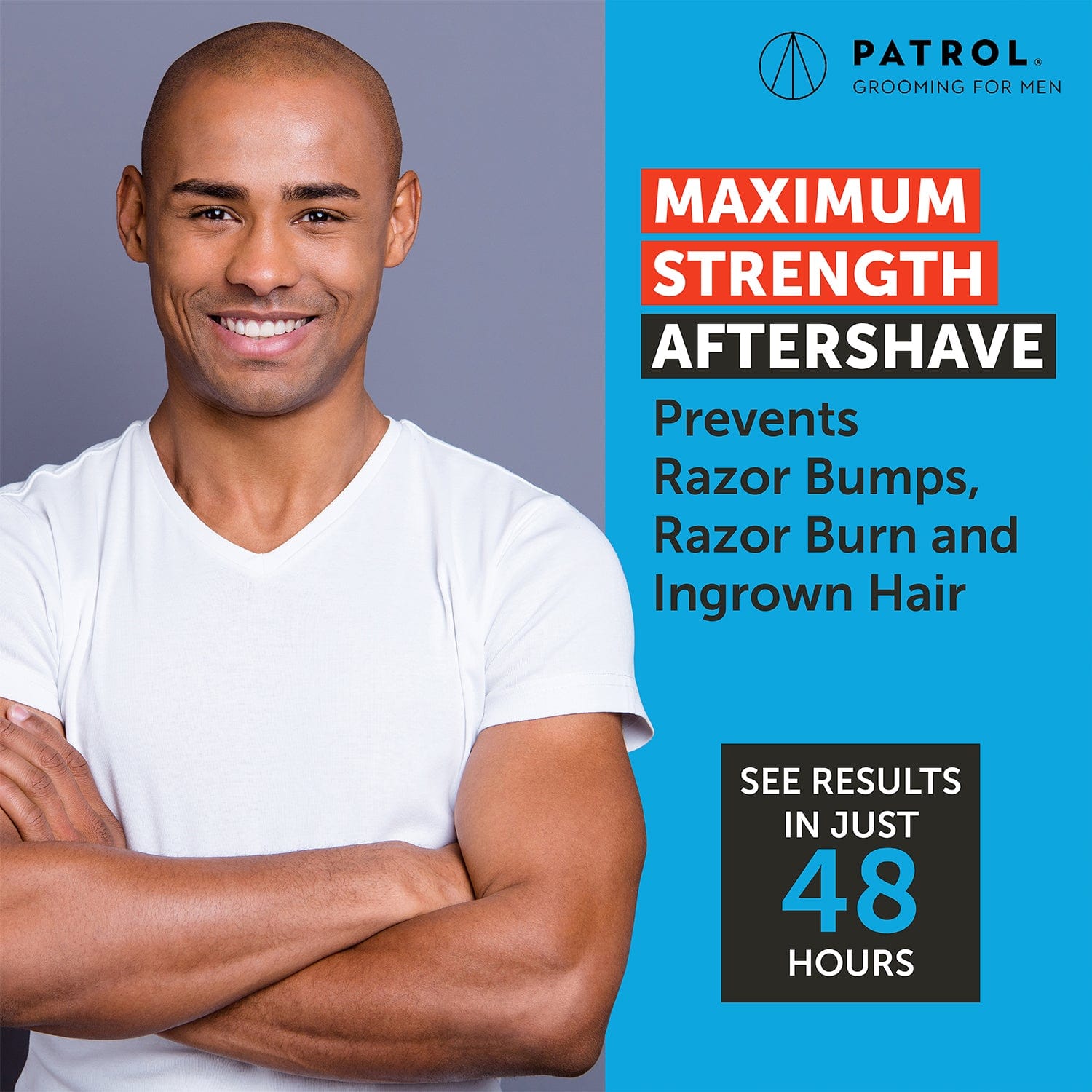
This is exactly what Bump Patrol was built to do. The Bump Patrol Max Strength Aftershave ($14.99) is formulated specifically for razor bumps and ingrown hairs, with visible results in 48 hours or your money back. It's paraben-free, sulfate-free, and uses plant-based essential oils — no harsh chemicals that trade one skin problem for another.
For persistent or severe razor bumps, a consistent routine matters more than any single product. You need to treat after every shave, exfoliate regularly, and give your skin time to heal between shaves when possible.
Razor Burn vs Razor Bumps: Side-by-Side Comparison
| Feature | Razor Burn | Razor Bumps |
|---|---|---|
| When it appears | Minutes after shaving | 24–72 hours after shaving |
| What it looks like | Widespread redness, flat rash | Raised bumps, often clustered |
| What it feels like | Stinging, warm, tender | Itchy, sore, sometimes painful |
| Location | Entire shaved area | Specific spots (neck, jawline, bikini) |
| Cause | Friction and skin irritation | Ingrown hairs, inflammation |
| Duration | Hours to 2 days | Days to weeks if untreated |
| Treatment focus | Soothe and protect | Release ingrown, reduce inflammation |
| Who's most affected | Anyone shaving with poor technique | Those with coarse or curly hair |
Can You Have Both at the Same Time
Yes. And it's more common than you'd think.
A rough shave can cause immediate surface irritation (razor burn) while also creating the conditions for ingrown hairs to develop over the next few days (razor bumps). If your skin is consistently irritated after every shave, you might be dealing with both.
The good news is that a solid post-shave routine addresses both. Cooling and soothing the skin right after your shave handles the burn. A targeted bump treatment applied consistently handles the ingrowns.
Prevention Tips That Actually Work
Getting ahead of both conditions is easier than treating them after the fact.
Before you shave:
- Wash your face or shaved area with warm water to soften the hair
- Use a quality shave gel — it's not optional
- Exfoliate 2–3 times a week to keep follicles clear
During your shave:
- Use a sharp blade — replace it every 5–7 shaves
- Shave with the grain first; only go against it if you need a closer shave
- Use light, short strokes and rinse the blade often
- Don't press hard — let the blade do the work
After your shave:
- Rinse with cool water
- Apply a post-shave treatment immediately
- Avoid touching your face while skin is still open and sensitive
- Moisturize once the aftershave has absorbed
Consistency matters more than any single tip. The people who stop getting razor bumps are the ones who build a routine and stick to it.
Choosing the Right Products for Your Skin
The right product depends on your specific problem.
For razor burn: You need something that soothes fast and protects the skin barrier. Look for plant-based formulas with calming oils like argan, coconut, or jojoba. Avoid alcohol-heavy products that sting and dry out already-irritated skin.
For razor bumps: You need a treatment that actively targets ingrown hairs and reduces inflammation. The Bump Patrol Max Strength Aftershave is the go-to here — it's been trusted by people dealing with persistent razor bumps, with 12 million bottles sold and a 48-hour results guarantee.
For both: A complete post-shave routine that includes a targeted aftershave, a gentle face wash, and a moisturizer covers all your bases. The Perfect Shave Kit ($39.99) from Patrol Grooming bundles what you need into one routine, and orders over $29.95 ship free.
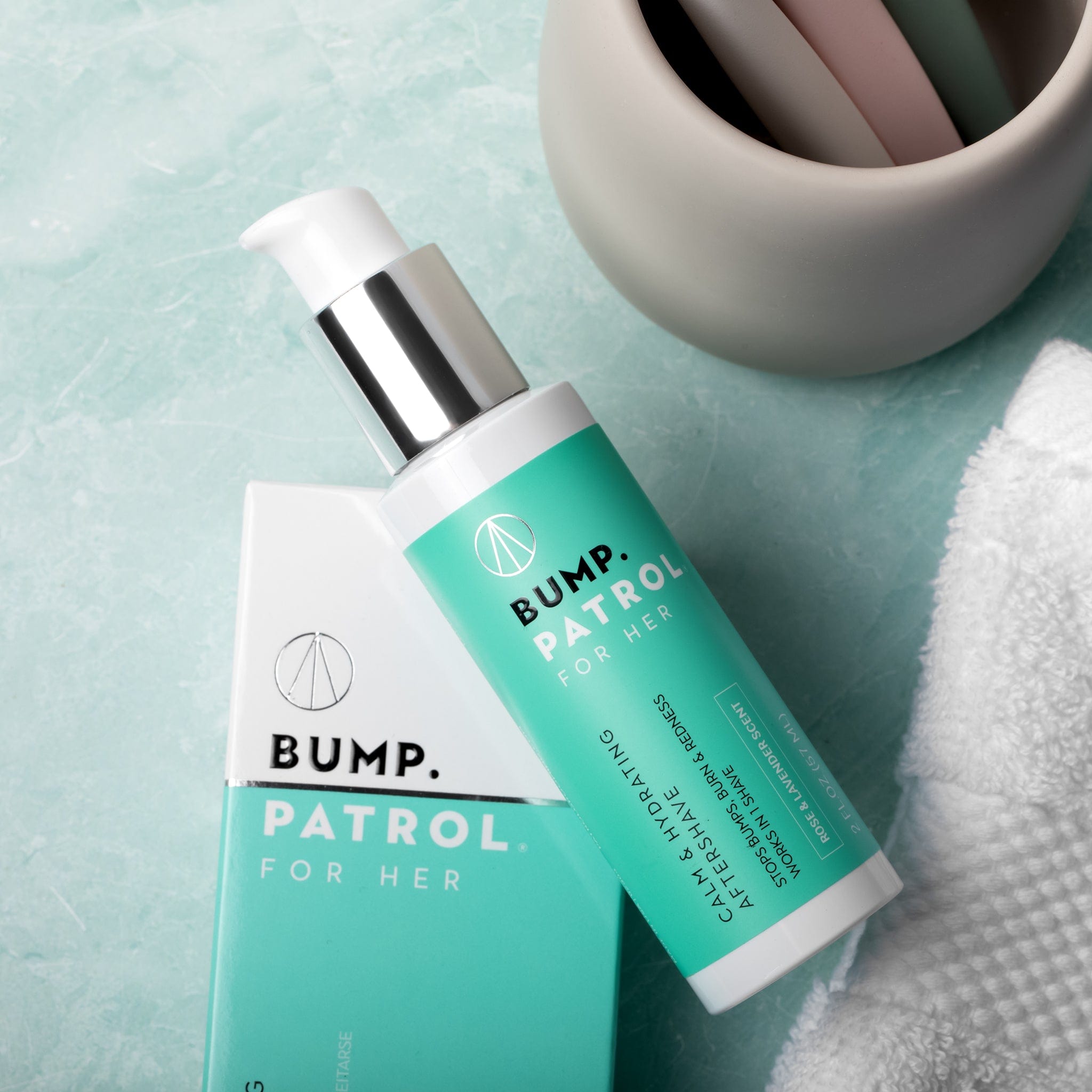
If you're also dealing with ingrown hairs from waxing or shaving other areas, the Patrol Grooming "For Her" collection addresses the same issues with the same clean, plant-based approach.
You can browse the full product lineup at patrolgrooming.com.
FAQs
Q: What's the fastest way to tell if I have razor burn or razor bumps?
A: Timing is the clearest signal. If your skin is red and irritated within minutes of shaving, that's razor burn. If raised, painful bumps appear a day or two after your shave, those are razor bumps (ingrown hairs). Razor burn spreads evenly across the shaved area; razor bumps cluster in specific spots.
Q: How long does razor burn last?
A: Razor burn usually clears up within a few hours to two days. If redness and irritation persist beyond that, you may be dealing with razor bumps or a skin sensitivity issue that needs a different approach.
Q: Can razor bumps go away on their own?
A: Sometimes, but it takes longer and they often leave dark spots behind. A targeted treatment like Bump Patrol Max Strength Aftershave speeds up the process and helps prevent new bumps from forming after your next shave.
Q: Are people with coarse or curly hair more likely to get razor bumps?
A: Yes. Coarse or curly hair has a natural tendency to curl back toward the skin after being cut, which is the main reason razor bumps (pseudofolliculitis barbae) are more common among people with that hair texture. The right technique and post-shave treatment make a real difference.
Q: Can women get razor bumps too?
A: Absolutely. Anyone who shaves or waxes can develop ingrown hairs and razor bumps — on legs, the bikini area, underarms, or anywhere hair is removed. Patrol Grooming's "For Her" collection is formulated specifically for these concerns.
Q: Should I shave if I already have razor bumps?
A: If possible, give your skin a break until the bumps calm down. If you have to shave, use a single-blade razor, shave with the grain only, and apply a bump treatment immediately after. Avoid pressing the blade against active bumps.
Q: Do I need separate products for razor burn and razor bumps?
A: Not necessarily. A good post-shave aftershave can soothe razor burn and treat razor bumps at the same time, especially if it uses plant-based, anti-inflammatory ingredients. Bump Patrol Max Strength Aftershave is designed to handle both concerns in one step.
Razor burn and razor bumps are fixable. You just need to know which one you're dealing with and treat it the right way. Stop guessing, build a routine that works, and your skin will show the difference fast.
Learn more at patrolgrooming.com.