
Women's Ingrown Hair Treatment: Best Products for Legs and Bikini Area 2026
Table of Contents
- Why Ingrown Hairs Are Such a Problem for Women
- What Causes Ingrown Hairs on Legs and the Bikini Area
- How to Choose the Right Ingrown Hair Treatment
- Best Ingrown Hair Treatments for Women in 2026
- How to Prevent Ingrown Hairs Before They Start
- Building a Simple Ingrown Hair Routine
- FAQs
Ingrown hairs are frustrating. You shave, wax, or thread, and a few days later you're dealing with red bumps, itching, and skin that looks worse than before you started. If that sounds familiar, you're not alone.
Women who shave their legs, bikini area, or underarms regularly are among the most common sufferers of ingrown hairs. The bikini area is especially prone because the hair there tends to be coarser and curlier, and the skin is more sensitive. Legs aren't immune either — shaving against the grain, using a dull blade, or skipping aftercare all set the stage for bumps.
This guide covers what actually causes ingrown hairs, what to look for in a treatment product, and the best options available in 2026 — including clean, plant-based formulas that work without harsh chemicals.
Why Ingrown Hairs Are Such a Problem for Women
Ingrown hairs happen when a shaved or waxed hair curls back into the skin instead of growing outward. Your body treats it like a foreign object and responds with inflammation. The result: red bumps, sometimes painful, sometimes itchy, and often mistaken for acne or a rash.
For women, the bikini line is the most common trouble spot. The hair follicles in that area are naturally curved, which makes regrowth more likely to curl back. Tight clothing after shaving makes things worse by trapping hairs before they can surface.
Legs are the second most common area, especially around the knees and ankles where shaving angles get awkward. Underarms are a close third.
The skin in all three of these zones is sensitive. That means harsh chemical treatments — the kind that work fine on tougher skin — can cause irritation, dryness, or even hyperpigmentation. You need something effective and gentle at the same time.
What Causes Ingrown Hairs on Legs and the Bikini Area
Understanding the cause helps you fix the problem at the root, not just treat the symptoms.
Shaving technique is the biggest factor. Shaving too close, using a dull blade, or going against the grain all increase the chance of a hair curling back into the skin.
Dry shaving strips the skin and cuts hair at an uneven angle. Without a proper shave gel or cream, hairs are more likely to grow back sideways.
Skipping aftercare is where most people go wrong. The post-shave window is when your skin is most vulnerable. Without a treatment product, inflammation sets in and bumps follow.
Hair texture plays a role too. People with coarse or curly hair — regardless of skin tone — are more prone to ingrown hairs because the natural curl of the hair shaft makes it more likely to re-enter the skin.
Tight clothing after shaving compresses the skin and blocks hair from surfacing normally. This is especially common with bikini-area ingrowns.
How to Choose the Right Ingrown Hair Treatment
Not every product marketed for ingrown hairs is worth your money. Here's what to look for.
Ingredients That Actually Work
Salicylic acid is a beta hydroxy acid that exfoliates inside the pore, helping free trapped hairs. It's one of the most effective active ingredients for ingrown hair treatment.
Glycolic acid works similarly — it exfoliates the surface of the skin, removing dead cells that block hair from breaking through.
Tea tree oil has natural antibacterial properties that help reduce the inflammation and redness around ingrown hairs.
Hemp oil, argan oil, and jojoba oil are plant-based oils that moisturize without clogging pores. They help the skin recover after shaving without adding comedogenic ingredients that make bumps worse.
Black seed oil has anti-inflammatory properties and has been used in skincare for its soothing effect on irritated skin.
Look for products that combine an active exfoliant (like salicylic or glycolic acid) with soothing, moisturizing ingredients. You want to free the hair and calm the skin at the same time.
Ingredients to Avoid
Parabens are preservatives linked to skin irritation and hormonal concerns. Avoid them, especially for products used on sensitive areas.
Petroleum and mineral oil sit on top of the skin rather than absorbing. They can trap bacteria and block follicles — the opposite of what you want when treating ingrown hairs.
Sulfates strip natural oils and leave skin dry and reactive.
Synthetic fragrances are a common irritant, particularly for bikini-area skin. If a product lists "fragrance" without specifying the source, skip it.
Best Ingrown Hair Treatments for Women in 2026
Here's a practical breakdown of what's worth trying, organized by use case.
Best for Bikini Area: Clean, Gentle Formulas
The bikini area needs a product that's strong enough to treat ingrown hairs but gentle enough not to cause chemical burns or hyperpigmentation on sensitive skin.
Patrol Grooming's "For Her" collection at patrolgrooming.com is built specifically for this. The formulas are paraben-free, sulfate-free, and petroleum-free. They use plant-based essential oils — including hemp, argan, and coconut oil — to soothe and protect skin while treating bumps. The brand has sold over 12 million bottles across its product line, and the same clean-formula philosophy carries through to the women's products.
The price point is accessible ($5.99–$14.99 for individual products), and the brand backs results with a money-back guarantee. For a sensitive area like the bikini line, that kind of no-risk trial matters.
Fur Ingrown Concentrate is another clean option. It uses a blend of oils to soften skin and prevent ingrown hairs. It's effective but sits at the premium end ($34+), which puts it out of reach for everyday use for many people.
Tend Skin has a long-standing reputation in the ingrown hair category. It's effective, but the formula is more clinical and can be drying. It's better suited for less sensitive areas.
Best for Legs: Fast-Acting Aftershave Treatments
Legs cover a lot of surface area, so you want something you can apply quickly and that absorbs without leaving a greasy residue.
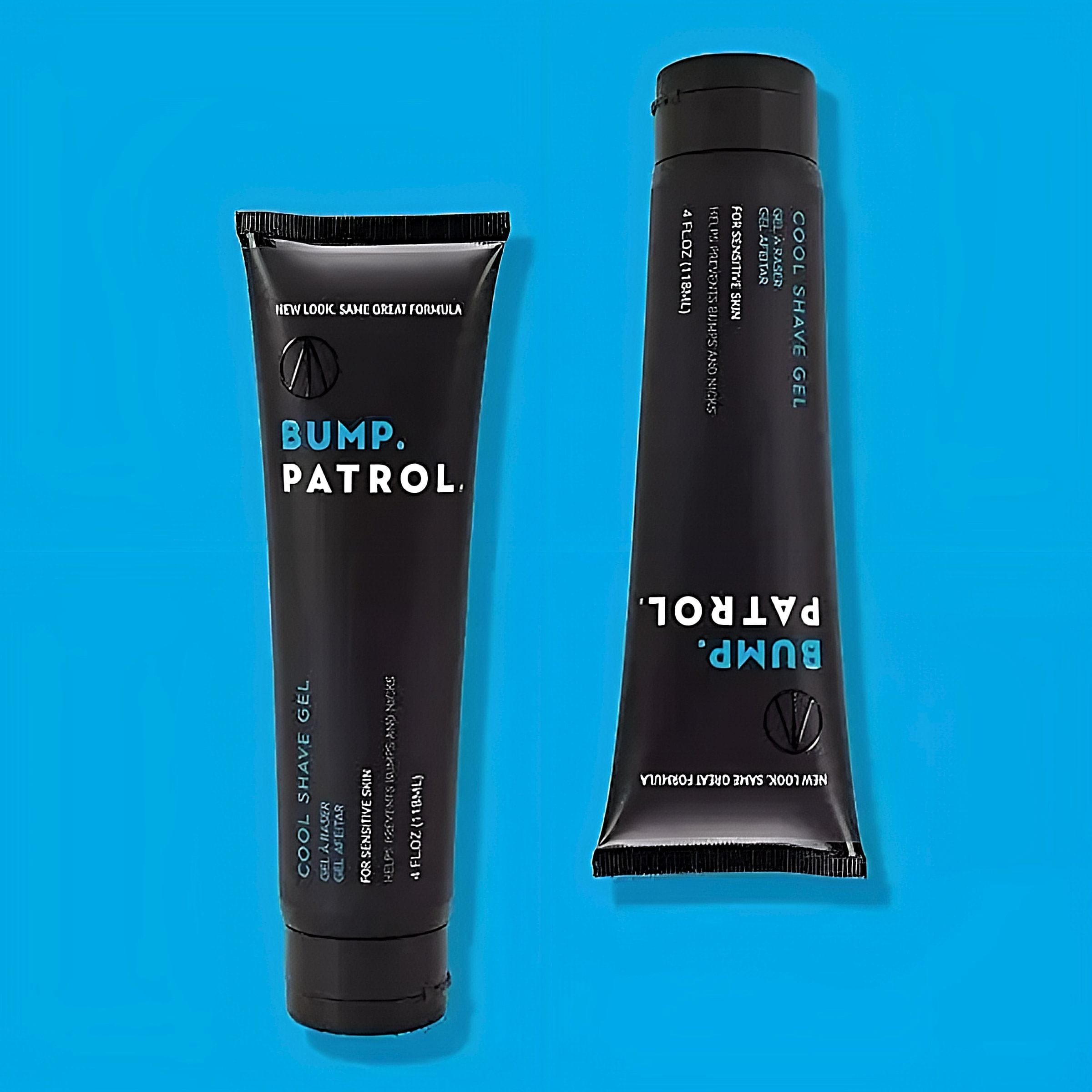
Bump Patrol Aftershave — available at patrolgrooming.com — was originally designed for facial razor bumps but works just as well on legs. Apply it right after shaving to stop bumps before they form. The Max Strength version ($14.99) is the most effective option for skin that's already dealing with active ingrown hairs.
PFB Vanish is a roll-on treatment that combines salicylic acid with moisturizers. It's effective for legs and easy to apply. At $19.25+, it costs more than Bump Patrol for a similar result.
High Time Bump Stopper-2 is a budget-friendly option at around $6.48. It works for mild ingrown hairs but may not be strong enough for persistent or deep ingrowns.
Best Budget Pick
If you want effective treatment without spending much, Bump Patrol's entry-level aftershave starts at $5.99. It's plant-based, free of harsh chemicals, and backed by the same guarantee as the full product line. For legs especially, where you're covering a large area regularly, an affordable option you'll actually use consistently beats an expensive one you ration.
Best Premium Option
If budget isn't the concern and you want a comprehensive approach, Fur offers a clean-beauty ingrown hair system that includes an oil, scrub, and silk serum. The full routine runs $80+. It's well-formulated and effective, but the price makes it hard to recommend as a daily-use solution for most people.
How to Prevent Ingrown Hairs Before They Start
Treatment is important, but prevention is better. A few changes to your routine can dramatically reduce how often ingrown hairs appear.
Exfoliate before you shave. Use a gentle scrub or exfoliating cloth 24–48 hours before shaving. This removes dead skin cells and lets the razor cut hair cleanly.
Use a shave gel, not dry shaving. A good shave gel softens hair and creates a barrier between the blade and your skin. This reduces the chance of hairs being cut at an angle that leads to ingrowns.
Shave with the grain, not against it. Going against the grain gives a closer shave but increases the risk of hairs curling back. On the bikini area especially, shave in the direction of hair growth.
Change your blade regularly. A dull blade drags and cuts unevenly. Replace it every 5–7 shaves.
Apply an aftershave treatment immediately. Don't wait for bumps to appear. Apply a treatment product right after shaving while pores are open and the skin is receptive.
Wear loose clothing after shaving. Give your skin room to breathe, especially after shaving the bikini area. Tight waistbands and synthetic fabrics trap hairs before they can surface.
Building a Simple Ingrown Hair Routine
You don't need a 10-step routine. You need the right steps, done consistently.
Before shaving:
- Shower or soak the area to soften hair
- Exfoliate gently with a scrub or mitt
During shaving:
- Use a clean, sharp blade
- Apply shave gel — don't skip this
- Shave with the grain on sensitive areas
After shaving:
- Pat skin dry (don't rub)
- Apply an ingrown hair treatment immediately
- Moisturize once the treatment absorbs
Between shaves:
- Exfoliate lightly every 2–3 days to keep follicles clear
- Avoid tight clothing on freshly shaved skin
Patrol Grooming's product range covers most of these steps — from shave gels to aftershave treatments to skincare. You can build a complete routine without piecing together products from five different brands. See the full range at patrolgrooming.com.
FAQs
What is the best treatment for ingrown hairs on the bikini area?
Look for a gentle, plant-based formula that combines an exfoliating active (like salicylic acid) with soothing oils. Avoid products with parabens, sulfates, or synthetic fragrances, which can irritate sensitive skin. Patrol Grooming's "For Her" collection is formulated specifically for this, using clean ingredients like hemp, argan, and coconut oil.
How long does it take for ingrown hair treatments to work?
Most effective treatments show visible improvement within 24–48 hours. Patrol Grooming's Bump Patrol line is backed by a 48-hour results guarantee. Deeper or more persistent ingrown hairs may take a few days of consistent use.
Can I use the same ingrown hair treatment on my legs and bikini area?
Yes, as long as the formula is gentle enough for sensitive skin. Products that are paraben-free, sulfate-free, and fragrance-free are generally safe for both areas. Always patch test on a small area first if you have reactive skin.
Does waxing cause fewer ingrown hairs than shaving?
Not necessarily. Waxing removes hair from the root, which can cause hairs to grow back at an angle and re-enter the skin. The risk is different from shaving but not eliminated. Post-wax treatment with an ingrown hair product is just as important as post-shave care.
What ingredients should I avoid in ingrown hair products for sensitive skin?
Avoid parabens, sulfates, petroleum, mineral oil, PEGs, and synthetic fragrances. These can clog follicles, cause dryness, or trigger irritation — especially on the bikini area and inner thighs.
How often should I exfoliate to prevent ingrown hairs?
Exfoliate 2–3 times per week on areas prone to ingrown hairs. Over-exfoliating can strip the skin and cause its own irritation, so keep it gentle and consistent rather than aggressive.
Are ingrown hair treatments safe to use during pregnancy?
This depends on the active ingredients. Salicylic acid at high concentrations is generally not recommended during pregnancy. Always check with your healthcare provider before using new skincare products if you're pregnant or nursing.
Ingrown hairs are a real problem, but they're also a solvable one. The right product, used consistently as part of a simple routine, makes a clear difference. Start with clean ingredients, apply treatment right after shaving, and give your skin time to respond.
If you want a plant-based option backed by a money-back guarantee, explore the full Patrol Grooming range — including the "For Her" collection — at patrolgrooming.com.