
Electric Razor vs Manual Razor: Which Prevents Razor Bumps Better?
Table of Contents
- Why Your Razor Choice Matters for Razor Bumps
- What Actually Causes Razor Bumps
- Electric Razors: Pros and Cons for Bump-Prone Skin
- Manual Razors: Pros and Cons for Bump-Prone Skin
- Electric vs Manual: Side-by-Side Comparison
- Which Razor Type Is Best for You?
- Why Your Razor Is Only Half the Battle
- FAQs
Why Your Razor Choice Matters for Razor Bumps {#why-your-razor-choice-matters}
You've tried switching razors. You've gone from a five-blade cartridge to a single blade, or from a manual to an electric, hoping the bumps would stop. Sometimes it helps. Sometimes it doesn't.
The truth is, your razor type plays a real role in whether you develop razor bumps — but it's not the whole story. Technique, skin prep, and aftercare matter just as much. Before you spend money on a new shaver, it's worth understanding exactly what each razor does to your skin and why some people react worse than others.
This article breaks down the electric razor vs manual razor debate specifically for people dealing with razor bumps and ingrown hairs. No fluff, just the facts you need to make a smarter choice.
What Actually Causes Razor Bumps {#what-causes-razor-bumps}
Razor bumps (medically called pseudofolliculitis barbae, or PFB) happen when a shaved hair curls back and grows into the skin instead of upward. The result: inflammation, redness, and those painful raised bumps along your jawline, neck, or anywhere else you shave.
People with coarse or curly hair are significantly more prone to this. The natural curl pattern of the hair makes it more likely to re-enter the skin after being cut at a sharp angle. But anyone who shaves regularly — regardless of hair texture — can develop razor bumps, especially on sensitive areas like the neck or bikini line.
Three things make bumps worse:
- Cutting the hair too short or below the skin line, which creates a sharp tip that pierces the follicle wall
- Pulling the skin taut while shaving, which lets the hair retract below the surface after the blade passes
- Shaving against the grain, which increases the chance of the hair curling back inward
Your razor type directly affects all three of these factors.
Electric Razors: Pros and Cons for Bump-Prone Skin {#electric-razors-pros-and-cons}
How Electric Razors Work
Electric shavers use oscillating or rotating blades behind a protective foil or guard. The guard lifts the hair before the blade cuts it, which means the hair is rarely cut below the skin surface. That's the key advantage for people prone to razor bumps.
The Case For Electric
Less aggressive cut. Because the foil or rotary guard keeps the blade from direct skin contact, electric razors tend to cut hair slightly above the skin line. That leaves a small amount of stubble, which reduces the chance of the hair tip curling back into the follicle.
Less friction and irritation. No blade dragging directly across bare skin means less mechanical irritation, especially for sensitive or dry skin types.
Faster routine. Most electric shavers work on dry skin with no shaving gel required, which removes one more variable from your routine.
Better for daily shavers. If you shave every day or every other day, an electric razor keeps hair short without repeatedly cutting it to a sharp point below the surface.
The Case Against Electric
Closer shaves are harder to achieve. If you need a very clean, smooth shave for professional or personal reasons, most electric razors won't get you there. The slight stubble that protects against bumps is also the stubble you can feel and see.
Higher upfront cost. A quality electric shaver runs $50 to $200+. That's a bigger investment than a manual razor setup.
Technique still matters. Pressing too hard or using circular motions incorrectly can still cause irritation. Electric doesn't mean foolproof.
Manual Razors: Pros and Cons for Bump-Prone Skin {#manual-razors-pros-and-cons}
How Manual Razors Work
Manual razors — whether cartridge or safety razor — cut the hair directly at or slightly below the skin surface. The closer the shave, the sharper the hair tip left behind, and the higher the risk of that tip curling back into the skin.
The Case For Manual
Closer, cleaner shave. Manual razors, especially multi-blade cartridges, cut hair at the skin line or just below. If a smooth finish matters to you, manual typically wins.
More control. You control the angle, pressure, and direction of every stroke. With the right technique — short strokes, with the grain, no stretching the skin — you can significantly reduce bump risk even with a manual razor.
Lower upfront cost. A basic safety razor or cartridge razor costs far less than an electric shaver. Replacement blades are affordable too.
Single-blade safety razors are a middle ground. Many people prone to razor bumps do better with a single-blade safety razor than a multi-blade cartridge. Multi-blade razors use a "lift and cut" mechanism that pulls hair slightly before cutting, which can result in the hair retracting below the skin surface — exactly what causes bumps. A single blade cuts without that lift effect.
The Case Against Manual
Higher bump risk with poor technique. Shaving against the grain, using a dull blade, or stretching the skin dramatically increases your chances of razor bumps.
Multi-blade cartridges are the worst offenders. Those 3-, 4-, and 5-blade cartridges are marketed as giving you a closer shave — and they do. But for people with coarse or curly hair, that extra closeness often means more ingrown hairs, not fewer.
Requires more prep. Proper manual shaving means warm water, a good shaving gel, and a sharp blade. Skip any of those and your skin pays for it.
Electric vs Manual: Side-by-Side Comparison {#electric-vs-manual-comparison}
| Factor | Electric Razor | Manual Razor |
|---|---|---|
| Cut depth | Above skin line (less risk) | At or below skin line (higher risk) |
| Razor bump risk | Lower for most people | Higher, especially multi-blade |
| Closeness of shave | Moderate | High |
| Skin irritation | Less direct friction | More direct friction |
| Upfront cost | $50–$200+ | $10–$40 |
| Best for daily shaving | Yes | Yes, with proper technique |
| Best for sensitive skin | Generally yes | Yes, with single-blade safety razor |
| Requires shaving gel | Usually no | Yes, recommended |
| Technique sensitivity | Moderate | High |
Which Razor Type Is Best for You? {#which-razor-type-is-best-for-you}
There's no single answer. The right razor depends on your hair texture, skin sensitivity, shave frequency, and how close a shave you actually need.
Choose an electric razor if:
- You're prone to razor bumps or ingrown hairs and have tried everything else
- You shave daily or nearly every day
- You don't need a super-close shave for work or preference
- You want a faster, lower-maintenance routine
Choose a single-blade safety razor if:
- You want a close shave but need to reduce bump risk compared to cartridge razors
- You're willing to invest time in learning proper technique
- You prefer a traditional shave experience
Stick with a cartridge razor (carefully) if:
- You have minimal bump issues and just want convenience
- You use proper prep, shave with the grain, and follow up with a quality aftershave treatment
- You accept that technique and aftercare matter more than the blade count
One important note: switching razor types alone won't eliminate bumps if you already have active inflammation. You need to treat the existing bumps first, then adjust your shaving method to prevent new ones.
Why Your Razor Is Only Half the Battle {#why-your-razor-is-only-half-the-battle}
Here's what most razor comparison guides skip: the razor gets the blame, but aftercare is where most people fail.
Even with the gentlest electric shaver or the most careful single-blade technique, your skin still goes through trauma every time you shave. Hair follicles get irritated. Skin barrier gets disrupted. Without the right aftercare, bumps form regardless of what razor you used.
That's exactly where a targeted aftershave treatment makes the difference.
Bump Patrol Max Strength Aftershave from Patrol Grooming is formulated specifically to stop razor bumps before they form and treat existing ones fast. It's built on plant-based essential oils — hemp, argan, coconut, and jojoba — with no parabens, no sulfates, no petroleum. Clean ingredients that work on real skin problems.
The proof is in the numbers: 12 million bottles sold. A 48-hour visible improvement guarantee. A money-back guarantee if it doesn't work for you.
Whether you shave with an electric or a manual, your post-shave routine needs to actively protect your skin. A good shave prep and a proven aftershave treatment close the loop that your razor alone can't.
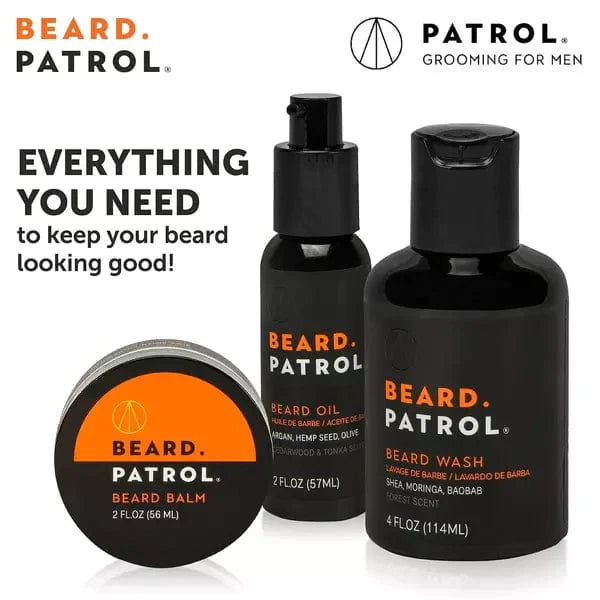
Patrol Grooming also offers a full shave routine — shave gels, face wash, moisturizer, and the Beard Patrol line for those growing or maintaining a beard. If you're building a bump-free routine from scratch, the Perfect Shave Kit at $39.99 covers the full process in one order. Free shipping kicks in at $29.95+.
No parabens. No petroleum. No excuses for bad skin.
Visit patrolgrooming.com to find the right products for your routine.
FAQs {#faqs}
Q: Do electric razors prevent razor bumps better than manual razors?
A: Generally, yes — electric razors cut hair above the skin line, which reduces the chance of hair curling back into the follicle. But they don't eliminate bump risk entirely. Technique and aftercare still matter significantly.
Q: Why do I still get razor bumps with an electric shaver?
A: Electric shavers reduce bump risk but don't remove it completely. Pressing too hard, shaving over already-irritated skin, or skipping aftercare can still cause bumps. Using a targeted aftershave treatment after every shave helps prevent new bumps from forming.
Q: Are multi-blade razors worse for razor bumps?
A: For people with coarse or curly hair, yes. Multi-blade cartridges use a lift-and-cut mechanism that can pull hair below the skin line before cutting, increasing the risk of ingrown hairs. A single-blade safety razor is often a better choice for bump-prone skin.
Q: What is the best razor for people prone to razor bumps?
A: Electric shavers and single-blade safety razors are the two most commonly recommended options for people prone to razor bumps. The best choice depends on how close a shave you need and your willingness to invest in technique.
Q: Can aftershave actually prevent razor bumps?
A: A properly formulated aftershave treatment can help reduce inflammation and prevent ingrown hairs from forming after a shave. Products like Bump Patrol Max Strength Aftershave are designed specifically for this purpose, using plant-based ingredients to soothe and protect skin post-shave.
Q: Does shaving direction affect razor bumps?
A: Yes. Shaving against the grain gives a closer cut but significantly increases bump risk. Shaving with the grain — in the direction your hair grows — reduces the chance of hairs being cut at an angle that leads to ingrowth.
Q: How long does it take to clear existing razor bumps?
A: With the right treatment, visible improvement can happen within 48 hours. Patrol Grooming's Bump Patrol line is backed by a 48-hour results guarantee, with a money-back guarantee if you don't see improvement.
Your razor is a starting point. Your routine is what actually protects your skin. Get both right, and razor bumps stop being a regular problem.
Learn more at patrolgrooming.com.