
How to Treat and Prevent Hyperpigmentation from Razor Bumps
#hyperpigmentation-from-razor-bumps-men
The Hidden Cost of Razor Bumps
Those dark spots that stick around after razor bumps heal? They're usually more annoying than the bumps ever were. You deal with the initial irritation, think you're in the clear, then notice those stubborn patches of discolored skin that seem to multiply with each shave. This post-inflammatory hyperpigmentation affects men across all skin tones, but shows up most on darker complexions—creating an endless loop of irritation and frustration.
Here's the good news: these dark spots aren't permanent scars. With the right strategy, you can treat existing hyperpigmentation and stop new spots from forming. Let's break down everything you need to escape this cycle.
Understanding Post-Inflammatory Hyperpigmentation
Post-inflammatory hyperpigmentation (PIH) happens when your skin cranks out excess melanin after trauma or inflammation. When razor bumps form, each inflamed follicle sends signals that ramp up melanin production during the healing process. The result? A dark spot that remains visible long after the original bump has healed.
Why Razor Bumps Create Dark Spots
When hair curls back into your skin after shaving, your body treats it like a foreign invader. Blood rushes to the area, bringing inflammatory compounds that help heal the irritation. But this same healing response kicks melanocytes into overdrive, pumping out extra pigment that settles into dark patches.
The deeper the razor bump, the more intense the inflammation—and the darker the spot it leaves behind. This is exactly why stopping razor bumps before they start beats trying to fade the marks they leave.
Immediate Treatment for Existing Dark Spots
Gentle Exfoliation
Exfoliation helps by speeding up your skin's natural cell turnover, which gradually pushes out pigmented cells. But here's the catch: scrub too hard and you'll create more inflammation, leading to even more dark spots.
Skip the harsh scrubs and go with chemical exfoliants like salicylic acid or glycolic acid. Start with 2-3 applications per week on problem areas, then increase frequency as your skin gets used to it.
Vitamin C for Brightening
Vitamin C stands out as one of the most dependable ingredients for lightening dark spots. It interferes with tyrosinase—the enzyme responsible for melanin production—while its antioxidant properties shield your skin from future damage.
Search for serums containing L-ascorbic acid or milder alternatives like magnesium ascorbyl phosphate. For optimal results, apply vitamin C each morning before your sunscreen.
Niacinamide for Even Skin Tone
Niacinamide (vitamin B3) attacks hyperpigmentation from several angles. It blocks melanin from transferring between cells while strengthening your skin's barrier. Men especially benefit from this ingredient because it controls oil and reduces inflammation at the same time.
Apply a 5-10% niacinamide serum twice daily—it plays well with other brightening ingredients.
Natural Brightening Agents
Several plant-based ingredients can fade dark spots without the irritation potential of stronger actives:
Kojic Acid: Derived from fungi, this natural ingredient blocks melanin production and is gentler than hydroquinone.
Arbutin: Extracted from bearberry plants, arbutin gradually releases hydroquinone into the skin for steady brightening results.
Licorice Root Extract: Rich in glabridin, which blocks UV-triggered pigmentation while reducing inflammation.
Azelaic Acid: This compound from grains helps regulate skin cell renewal and offers both brightening and calming benefits.
Professional Treatment Options
Dermatologist-Prescribed Treatments
When stubborn hyperpigmentation won't budge, dermatologists can prescribe stronger options:
Tretinoin: This prescription retinoid speeds up cell renewal and clears dark spots more quickly than drugstore alternatives.
Hydroquinone: Widely considered the most effective hyperpigmentation treatment, hydroquinone stops melanin production directly. But it needs careful supervision during use.
Combination Creams: Dermatologists often create custom blends mixing tretinoin, hydroquinone, and mild steroids for comprehensive results.
In-Office Procedures
Chemical Peels: Professional-grade peels produce more dramatic improvements than home treatments. Practitioners commonly use glycolic acid, lactic acid, and TCA peels for pigmentation issues.
Laser Treatments: Specific lasers can zero in on pigmented spots. But some laser procedures can darken hyperpigmentation in people with darker skin, so finding an experienced practitioner matters.
Microneedling: This procedure creates tiny, controlled wounds that stimulate collagen growth and help fade dark spots, particularly when combined with targeted serums.
Prevention: The Most Effective Strategy
Stopping razor bump hyperpigmentation before it starts works better than treating it later. The strategy comes down to one thing: reducing the inflammation that triggers excess pigment production.
Pre-Shave Preparation
Soften Hair and Skin: Always shave after a hot shower or hold a warm, damp towel against your face beforehand. Softer hair cuts more easily, causing less trauma to your skin.
Use Quality Pre-Shave Oil: A good pre-shave oil acts as a protective barrier between your razor and skin while making hair easier to slice through. Look for natural ingredients like hemp, argan, or jojoba oil.
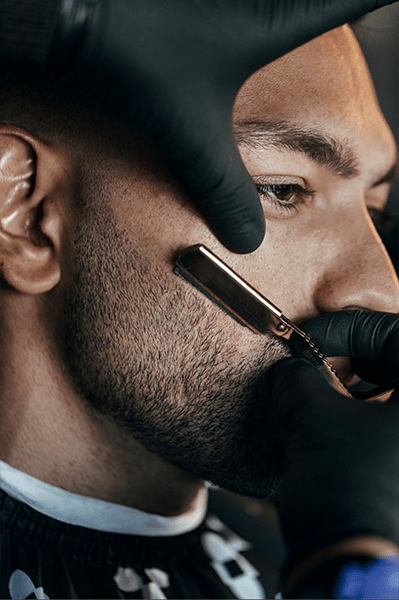
Choose the Right Razor: Multi-blade razors often make irritation worse by lifting hair and cutting it below the skin's surface. If razor bumps plague you, try switching to a single-blade safety razor or electric shaver.
Proper Shaving Technique
Shave With the Grain: Start by following your hair's natural growth direction. Need a closer shave? Make a second pass across the grain, but never go against it.
Use Light Pressure: Let the razor do its job—pressing harder just increases your chances of nicks, cuts, and ingrown hairs.
Rinse Frequently: Clean your razor every few strokes with warm water. Clogged blades tug at hair instead of cutting cleanly.
Don't Rush: Hurried shaving leads to mistakes and irritation. Give yourself enough time to shave carefully and methodically.
Post-Shave Care
What you do right after shaving can make or break your efforts to prevent hyperpigmentation.
Cool Water Rinse: Splash cool water on your face to close pores and calm inflammation.
Pat Dry: Never rub your face with a towel. Pat gently to avoid additional irritation.
Apply Treatment Products: Right after shaving is when you want to reach for aftershave treatments specifically made to prevent razor bumps and ingrown hairs.
The Role of Quality Aftershave Products
This is where most guys go wrong: assuming any aftershave will prevent hyperpigmentation. Aftershaves loaded with alcohol actually dry out your skin and can worsen irritation, increasing your chances of developing dark spots. What you really need are aftershave treatments that actively work against razor bump formation while soothing inflammation.
Effective aftershave products for preventing hyperpigmentation should contain:
- Anti-inflammatory ingredients like aloe vera, chamomile, or green tea extract
- Moisturizing agents to maintain skin barrier function
- Gentle exfoliants to prevent hair from becoming trapped under skin
- Natural oils that nourish skin without clogging pores
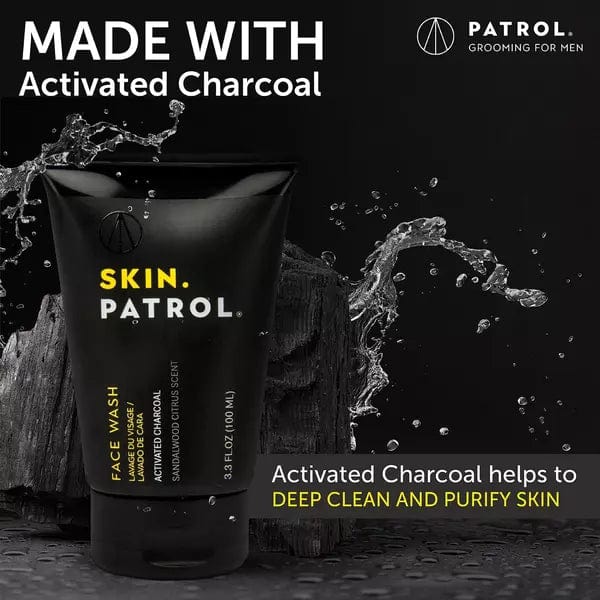
Patrol Grooming's Bump Patrol line combines plant-based ingredients specifically chosen to address razor bump formation and the inflammation that leads to dark spots. These paraben-free formulas use essential oils like hemp and argan oil to soothe skin while preventing the cycle of bumps and hyperpigmentation.
Lifestyle Factors That Impact Hyperpigmentation
Sun Protection
UV exposure can significantly worsen existing hyperpigmentation and slow the fading process. Dark spots contain excess melanin, making them more susceptible to further darkening when exposed to sunlight.
Apply broad-spectrum SPF 30 or higher daily, even if you're not spending extended time outdoors. Reapply every two hours if you're outside for extended periods.
Diet and Hydration
While topical treatments matter most, certain dietary factors can support skin health and healing:
Antioxidant-Rich Foods: Berries, leafy greens, and other antioxidant-rich foods help combat inflammation from the inside out.
Adequate Water Intake: Proper hydration supports skin cell turnover and overall skin health.
Omega-3 Fatty Acids: Found in fish, walnuts, and flaxseeds, omega-3s have anti-inflammatory properties that may help reduce skin inflammation.
Sleep and Stress Management
Poor sleep and chronic stress can worsen inflammation throughout the body, potentially slowing the healing of hyperpigmentation. Aim for 7-9 hours of quality sleep and find healthy ways to manage stress.
Creating Your Treatment Routine
For Active Hyperpigmentation
Morning Routine:
- Gentle cleanser
- Vitamin C serum
- Niacinamide (if not combined with vitamin C)
- Moisturizer
- Broad-spectrum sunscreen
Evening Routine:
- Gentle cleanser
- Chemical exfoliant (2-3 times per week)
- Treatment serum (retinol, kojic acid, or arbutin)
- Moisturizer
For Prevention
Pre-Shave:
- Warm water or shower
- Pre-shave oil
- Quality shaving cream or gel
Post-Shave:
- Cool water rinse
- Pat dry
- Aftershave treatment (like Bump Patrol)
- Moisturizer if needed
Timeline and Expectations
Hyperpigmentation treatment requires patience. Most people begin seeing improvements after 6-8 weeks of consistent treatment, with significant fading occurring over 3-6 months. The timeline depends on several factors:
- Severity of hyperpigmentation: Deeper, darker spots take longer to fade
- Skin tone: Darker skin may take longer to show results but often achieves excellent outcomes
- Consistency of treatment: Regular use of products is essential for results
- Sun protection: Diligent sunscreen use significantly speeds the fading process
When to See a Professional
Consider consulting a dermatologist if:
- Dark spots haven't improved after 3 months of consistent treatment
- Hyperpigmentation is severe or covers large areas
- You're experiencing ongoing razor bumps despite prevention efforts
- You want to explore professional treatment options like chemical peels or prescription medications
A dermatologist can also help determine if what you're treating is actually post-inflammatory hyperpigmentation or another skin condition that requires different treatment.
Breaking the Cycle
Here's the reality with razor bump hyperpigmentation: you can tackle existing spots while preventing new ones from forming. Those current dark marks might take months to disappear, but you can start blocking fresh ones immediately by upgrading your shaving routine and choosing the right aftershave treatments.
Prevention should be your first priority—it's much simpler to stop hyperpigmentation from developing than to fade it once it's there. Combine this with consistent treatment of existing spots, and you'll gradually achieve the even skin tone you're looking for.
Remember that everyone's skin responds differently to treatment. What works for one person may not work for another, so be prepared to adjust your routine based on how your skin responds. The key is consistency, patience, and using products specifically formulated to address both razor bumps and their aftermath.
Ready to break free from the cycle of razor bumps and dark spots? Learn more about comprehensive grooming solutions designed specifically for these challenges at patrolgrooming.com.