
How to Build the Perfect Beard Care Routine in 2026
Table of Contents
- Why Your Beard Routine Actually Matters
- Step 1: Cleanse Your Beard the Right Way
- Step 2: Condition and Moisturize
- Step 3: Oil Up
- Step 4: Shape and Define
- Step 5: Handle the Edges
- Dealing with Ingrown Hairs and Razor Bumps During Beard Growth
- How Often Should You Do Each Step?
- Building Your Routine Around Your Beard Type
- FAQs
- Start Simple, Stay Consistent
A patchy, itchy, or irritated beard isn't a beard problem. It's a routine problem.
Most people who struggle with their beard are skipping steps, using the wrong products, or doing nothing beyond a quick rinse. In 2026, there's no reason to guess your way through it. The information exists, the products exist, and once you dial in a solid routine, it takes less than five minutes a day.
This guide breaks it down step by step — from cleansing to edge maintenance — including what to do when ingrown hairs and razor bumps are making your beard journey miserable.
Why Your Beard Routine Actually Matters
Your beard grows out of your skin. That means the health of your skin directly affects the health of your beard.
Skip moisturizer and your beard turns dry and brittle. Skip cleansing and product buildup starts clogging your follicles. Skip oil and you get the dreaded beard itch that has most people reaching for a razor by week three.
A consistent routine fixes all of this. It also helps your beard grow in fuller and more evenly over time, because healthy follicles produce healthier hair. Simple cause and effect.
Step 1: Cleanse Your Beard the Right Way
Start with a proper wash — not your bar soap, and not your regular shampoo either.
Bar soap strips the natural oils from your beard and the skin underneath. Standard shampoo is formulated for scalp hair, which has a different structure and oil balance than facial hair. Neither one belongs on your beard.
Use a face wash or beard-specific cleanser that's gentle enough for daily or every-other-day use. Look for sulfate-free, paraben-free formulas. Harsh surfactants dry out the skin beneath your beard, which leads to flaking, itching, and irritation — the exact problems you're trying to avoid.
Wet your beard thoroughly with warm water first. Work the cleanser in from the skin outward, not just across the surface of the hair. Rinse completely. Leftover product residue is one of the biggest causes of beard itch and clogged follicles.
Step 2: Condition and Moisturize
After cleansing, your beard needs moisture back.
A beard conditioner or leave-in moisturizer softens the hair and keeps the skin underneath hydrated. This matters for everyone, but it's especially important if you have coarse or curly hair, which tends to run drier and is more prone to breakage and ingrown hairs.
Apply your moisturizer while your beard is still slightly damp — that's when it actually locks in hydration instead of just sitting on the surface. Work it through from root to tip.
If you're also dealing with skin concerns like dryness, acne, or uneven tone, a dedicated face moisturizer applied to the skin around and under your beard makes a real difference. The Skin Patrol line at patrolgrooming.com includes a face wash and moisturizer bundle built for exactly this kind of dual-purpose routine.
Step 3: Oil Up
Beard oil is not optional. It's the step that separates a maintained beard from a great one.
It does two things: conditions the hair shaft and moisturizes the skin underneath. A good oil reduces itch, adds a natural sheen, and makes your beard easier to comb and style. Skip it long enough and you'll feel the difference fast.
Look for plant-based formulas. Hemp oil, argan oil, jojoba oil, and black seed oil are among the most effective for beard care — they absorb well, don't leave a greasy residue, and actually nourish the hair rather than just coating it.
Apply two to four drops (depending on beard length) to your palms, rub them together, and work the oil into your beard from the skin outward. Follow up with a beard comb or boar bristle brush to distribute it evenly and train the hair in the direction you want it to grow.
The Beard Patrol line at patrolgrooming.com is built around these plant-based essential oil formulas — designed specifically for beard care, not repurposed hair products.
Step 4: Shape and Define
Once your beard is clean, moisturized, and oiled, you can actually work with it.
Use a quality beard comb to detangle and lay the hair flat. For shorter beards, a fine-tooth comb does the job. For longer beards, go wide-tooth to reduce breakage.
If you want more hold and definition, a light beard balm or wax applied after your oil gives you control without making your beard stiff or crunchy. Warm a small amount between your palms until it softens, then apply it the same way you would oil.
Shape with your hands first to get the general form, then use a comb to clean it up.
Step 5: Handle the Edges
Clean edges are what make a beard look intentional instead of overgrown.
Trim your neckline and cheek line every one to two weeks, depending on how fast your beard grows. Use a quality trimmer with a guard to maintain your length, and a detail blade or straight razor for the actual edge lines.
This is also where razor bumps and ingrown hairs tend to hit hardest — especially for people with coarse or curly hair. Shaving your beard edges requires the same care as a full face shave. Prep your skin, use a proper shave gel, and always follow up with an aftershave treatment designed to prevent bumps.
Dealing with Ingrown Hairs and Razor Bumps During Beard Growth
This is the part most beard care guides skip — and it's one of the most common reasons people give up on growing a beard altogether.
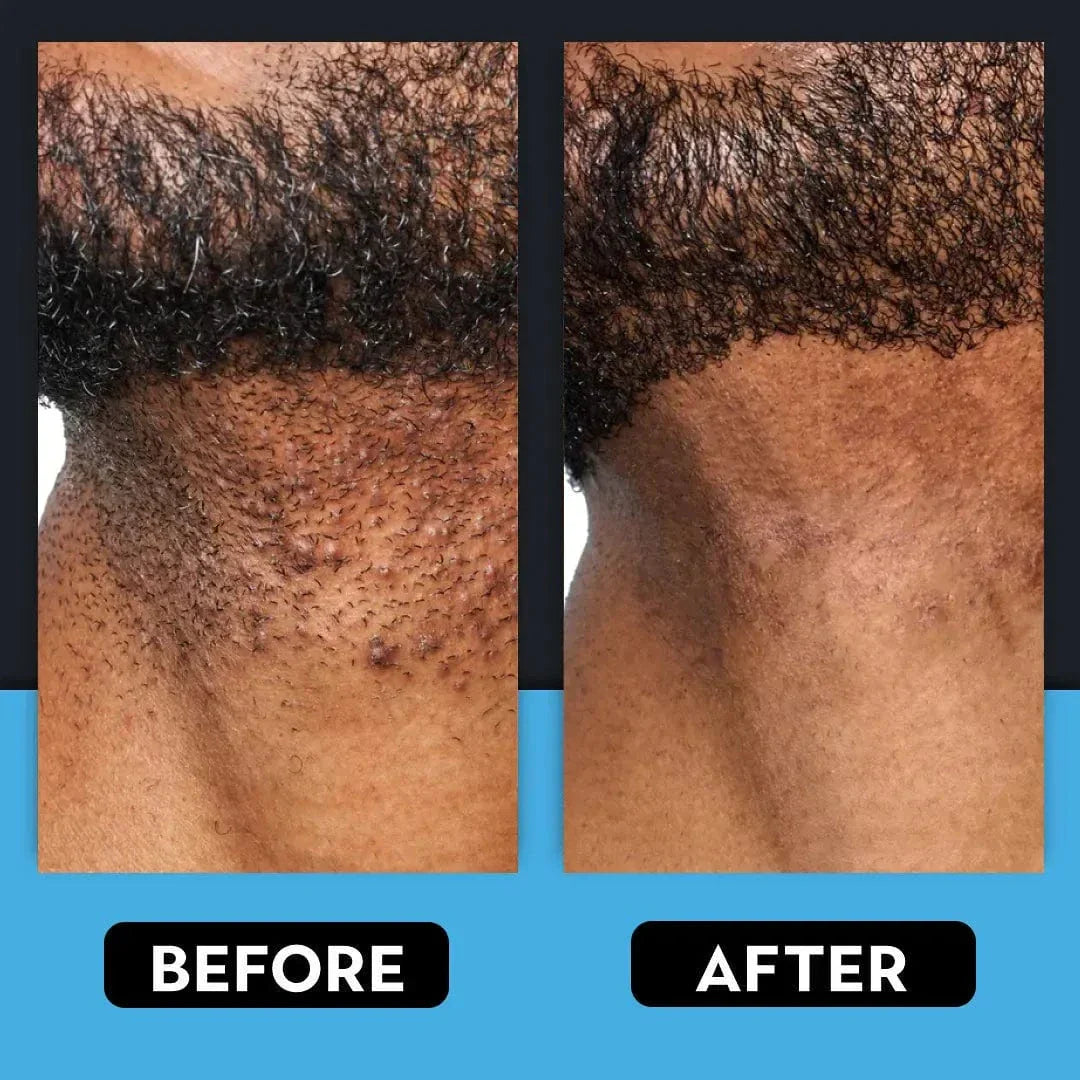
When you're transitioning from a clean shave to a beard, the early stages are rough. Hairs curl back into the skin, especially if you have coarse or curly hair. You get bumps, irritation, and sometimes painful ingrown hairs along the jawline, neck, and cheek edges.
The fix is treating the skin, not just the beard.
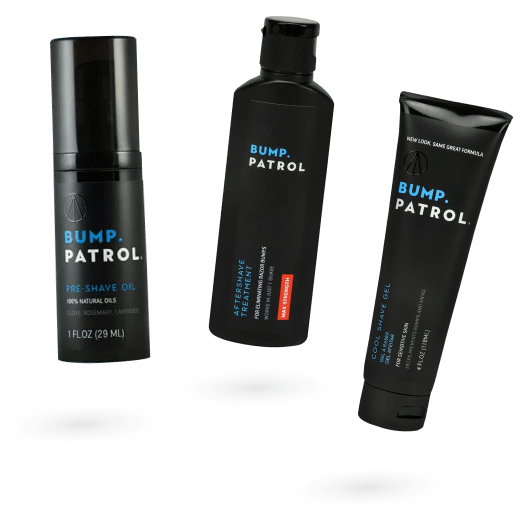
An aftershave treatment applied to the areas you're still shaving — neckline, cheek edges — stops bumps before they start. The Bump Patrol Max Strength Aftershave at $14.99 is built specifically for this. It's paraben-free, plant-based, and backed by a 48-hour results guarantee. With over 12 million bottles sold, it's not a new idea — it's a proven one.
Apply it right after shaving your edges. It works on the freshly shaved skin while your beard grows in naturally everywhere else.
If you already have active ingrown hairs, don't pick at them. Keep the area clean, apply your treatment consistently, and let the formula do the work.
How Often Should You Do Each Step?
Here's a simple schedule to follow:
| Step | Frequency |
|---|---|
| Cleanse | Every 1-2 days |
| Moisturize | Daily |
| Beard oil | Daily |
| Comb/brush | Daily |
| Balm/wax (styling) | As needed |
| Trim edges | Every 1-2 weeks |
| Aftershave treatment | Every time you shave edges |
Over-washing is a real problem. Daily shampooing strips the oils your skin naturally produces, which leads to more dryness and itch — not less. Every other day is usually enough for cleansing. Moisturizing and oiling, though, should be daily without exception.
Building Your Routine Around Your Beard Type
Not every beard is the same, and your routine should reflect that.
Short beard (under 1 inch): Focus on skin health first. Cleanse, moisturize, and apply a light oil. Edge maintenance is more frequent at this length, so keep your aftershave treatment close.
Medium beard (1-3 inches): Add a balm for shape and comb daily to train your growth direction. Ingrown hairs are still a risk along the edges, so keep your aftershave treatment in rotation.
Long beard (3+ inches): Deep conditioning becomes more important here. Use a heavier oil or beard butter, and brush daily to prevent tangles and distribute product evenly. Trim split ends every few weeks to keep things looking clean.
Coarse or curly hair: You need more moisture than average. Double up on oil and consider a leave-in conditioner designed for textured hair. People with coarse or curly hair are significantly more prone to pseudofolliculitis barbae — the medical term for razor bumps — so edge maintenance and aftershave treatment aren't optional.
Sensitive skin: Go fragrance-light and stick to clean formulas. Avoid anything with alcohol as a primary ingredient in your aftershave — it dries and irritates skin that's already reactive.
FAQs
What is the most important step in a beard care routine?
Moisturizing the skin underneath your beard. Dry skin causes itch, flaking, and poor beard growth. If you only do one thing, keep the skin hydrated.
How do I stop beard itch when growing out a beard?
Beard itch is almost always caused by dry skin or dry hair follicles. Apply beard oil daily and use a gentle, sulfate-free cleanser. Avoid washing with hot water — it strips the natural oils your skin needs.
Can I use regular face lotion under my beard?
Yes. A good face moisturizer works fine under your beard. Apply it to the skin first, then add beard oil on top of the hair. Look for a non-comedogenic formula that won't clog your follicles.
How do I prevent razor bumps when shaving my beard edges?
Use a proper shave gel to prep the skin, shave with the grain on your first pass, and apply an aftershave treatment immediately after. Products like Bump Patrol Aftershave are designed to stop bumps before they form — especially for people with coarse or curly hair who are more prone to ingrown hairs.
How often should I trim my beard to keep it looking clean?
Most people need edge cleanup every one to two weeks. Full-length trimming depends on your style, but consistent edge maintenance is what keeps a beard looking sharp rather than overgrown.
Does beard oil actually help with beard growth?
Not directly — but it creates the conditions for healthier growth. Moisturized skin and healthy follicles produce stronger, fuller hair over time. Think of it as maintenance, not magic.
What ingredients should I avoid in beard care products?
Parabens, sulfates, petroleum, and mineral oil. These can clog follicles, strip natural oils, and irritate sensitive skin. Look for plant-based formulas built on oils like argan, jojoba, hemp, and coconut instead.
Start Simple, Stay Consistent
You don't need a ten-product shelf to have a great beard. You need the right steps, done consistently.
Cleanse. Moisturize. Oil. Shape. Maintain your edges. Treat bumps before they take over. That's the whole routine.
If you're still figuring out which products fit your skin type and beard goals, patrolgrooming.com has a full lineup built for exactly this — shave gels, aftershave treatments, beard care, and skincare bundles. Everything is plant-based, paraben-free, and priced to make a full routine actually affordable.
Your beard is worth the five minutes. Start there.