
How to Shave Without Getting Razor Bumps: The Ultimate 2026 Tutorial
Table of Contents
- Why Razor Bumps Happen in the First Place
- Step 1: Prep Your Skin Before You Shave
- Step 2: Choose the Right Tools
- Step 3: Use a Proper Shave Gel
- Step 4: Shave Technique That Actually Prevents Bumps
- Step 5: Post-Shave Treatment Is Non-Negotiable
- Step 6: Build a Skincare Routine Around Your Shave
- Who Gets Razor Bumps Most Often
- What to Do When Bumps Already Appear
- FAQs
- Final Word
Razor bumps aren't just a grooming annoyance. For millions of people, they're a recurring skin problem — painful, visible, and capable of leaving lasting scars if nothing changes.
The good news: they're almost entirely preventable. The right technique, the right products, and a consistent routine can stop bumps before they ever form. This guide walks you through every step, from prep to post-shave care, so you can shave clean and stay bump-free.
Why Razor Bumps Happen in the First Place {#why-razor-bumps-happen}
Razor bumps — clinically known as pseudofolliculitis barbae (PFB) — form when a shaved hair curls back and grows into the surrounding skin instead of outward. Your immune system treats that hair like a foreign invader, triggering inflammation. The result: red, raised, sometimes painful bumps.
Several things make this worse:
- Shaving too close. A blade that cuts below the skin surface leaves a sharp hair tip that easily re-enters the follicle.
- Shaving against the grain. This cuts hair at an angle, creating an even sharper tip.
- Dry shaving or poor lubrication. Friction drags the blade and irritates follicles before the hair even has a chance to regrow.
- Dull blades. A worn blade tugs at hair instead of cutting cleanly, causing unnecessary trauma to the skin.
- Skipping post-shave treatment. Leaving irritated follicles unprotected after a shave is an open invitation for bumps.
Once you understand what's causing them, the fix becomes straightforward. Every step below targets one or more of these root problems directly.
Step 1: Prep Your Skin Before You Shave {#step-1-prep-your-skin}
Prep is where most people cut corners. Don't.
Start with a clean face. Wash with a gentle face wash to clear away oil, dirt, and dead skin. A clean surface lets the blade glide more smoothly and reduces the risk of bacteria entering irritated follicles after the shave.
Shave after a warm shower — or use a warm towel. Heat softens hair and opens pores. Softer hair means less blade pressure, which means less skin trauma. Two to three minutes of warm water contact is all it takes.
Exfoliate a few times a week, not every day. Regular exfoliation lifts trapped hairs and clears the dead skin that blocks follicles. Just don't exfoliate right before you shave — over-sensitized skin and a razor blade aren't a good combination.
Step 2: Choose the Right Tools {#step-2-choose-the-right-tools}
Your razor matters more than most people give it credit for.
Keep your blade sharp and clean. Replace it every five to seven shaves. A dull blade is one of the fastest ways to guarantee bumps — it drags instead of cuts, and that friction adds up.
Consider a single-blade or safety razor if you're bump-prone. Multi-blade cartridges are engineered to cut below the skin surface for a closer shave, which sounds great until you have coarse or curly hair that curls right back into the follicle. Fewer blades, less risk.
Rinse your razor thoroughly after every pass. Bacteria on a blade can cause folliculitis on top of razor bumps — two problems where you only want zero.
Hold off on electric shavers if your skin is already irritated. Foil shavers work for some people, but rotary shavers tend to pull hair rather than cut it cleanly, which makes bumps worse, not better.
Step 3: Use a Proper Shave Gel {#step-3-use-a-proper-shave-gel}
Shaving dry — or with a cheap foam — is one of the most common causes of razor bumps. A quality shave gel creates a protective barrier between the blade and your skin, giving the razor something to glide on instead of drag across.
Look for a gel that:
- Provides enough slip for the blade to move without catching
- Is free of alcohol, which dries out skin and worsens irritation
- Skips the sulfates and harsh synthetic chemicals
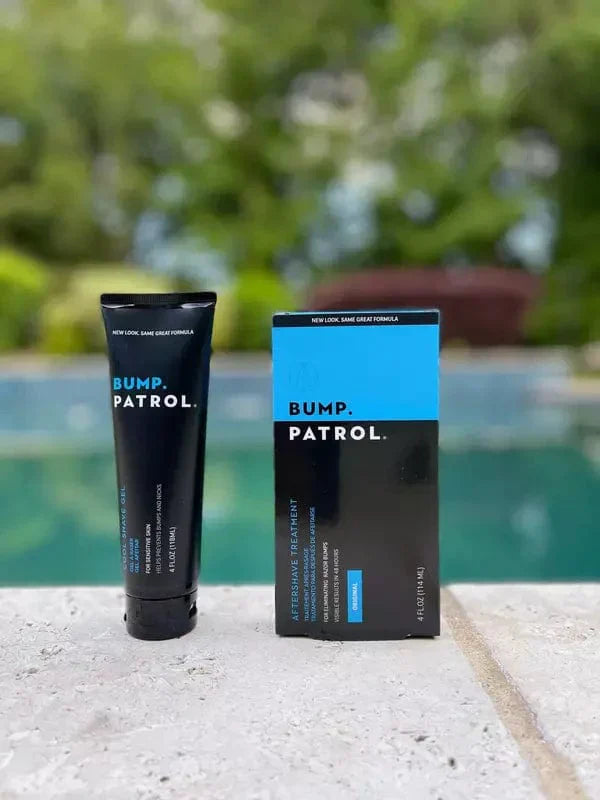
Patrol Grooming's Cool Shave Gel and Soothing Shave Gel are both formulated specifically for bump-prone skin, at $5.99 each. You get the lubrication you need without the irritants that make post-shave inflammation worse.
Apply generously and let it sit for about 30 seconds before you start. That brief pause softens the hair further and makes the whole shave noticeably smoother.
Step 4: Shave Technique That Actually Prevents Bumps {#step-4-shave-technique}
This is where technique separates a clean shave from three days of dealing with the aftermath.
Shave with the grain
Always shave in the direction your hair grows. This is the single most impactful change you can make. Shaving against the grain cuts hair below the skin surface, which dramatically increases the chance of ingrown hairs — especially for people with coarse or curly hair.
Not sure which direction your hair grows? Run your fingers across your face or neck. The direction that feels rough is against the grain. Shave the other way.
Use light, short strokes
Let the blade do the work. Pressing harder doesn't give you a closer shave — it gives you irritated skin. Use short strokes, rinse the blade after every two or three passes, and trust the gel to handle lubrication.
Don't go over the same area repeatedly
Multiple passes over the same patch compound irritation fast. If you miss a spot, re-apply gel before going back over it. Never drag a dry blade across bare skin.
Keep light tension on the skin
A gentle stretch helps the blade cut more evenly. You're not pulling tight — just enough to create a flat, consistent surface.
Rinse with cool water when you're done
Cool water closes pores and dials down immediate post-shave inflammation. Skip the hot water at this stage — it keeps pores open and gives irritation a head start.
Step 5: Post-Shave Treatment Is Non-Negotiable {#step-5-post-shave-treatment}
Most people rinse and walk away. That's a mistake. What you put on your skin in the 60 seconds after shaving has a direct impact on whether bumps form.
Use an aftershave built for razor bumps — not just fragrance. Most drugstore options are mostly alcohol: they sting, dry out your skin, and do nothing to stop ingrown hairs from forming.
Patrol Grooming's Bump Patrol Max Strength Aftershave ($14.99) is the real deal. Formulated specifically to prevent and eliminate razor bumps and ingrown hairs, with visible results in 48 hours — or your money back. Over 12 million bottles sold. Paraben-free, petroleum-free, and built with plant-based essential oils.
If your skin runs more sensitive, the Original Strength Aftershave ($13.99) delivers the same core formula with a gentler touch.
Apply immediately after rinsing. Don't rub aggressively — pat it in and let it absorb.
Step 6: Build a Skincare Routine Around Your Shave {#step-6-skincare-routine}
A solid shave routine doesn't start and end at the sink. Your daily skincare habits directly affect how your skin handles a blade.
Moisturize every day. Hydrated skin is more resilient. Dry, flaky skin creates more friction during shaving and makes it easier for hairs to get trapped. The Skin Moisturizer from Patrol Grooming's Skin Patrol line ($9.99) is lightweight and built for post-shave use.
Cleanse morning and night. Consistent cleansing reduces the oil and dead skin buildup that blocks follicles and sets the stage for bumps. The Face Wash + Moisturizer Bundle ($18.99) covers both steps in one simple, affordable routine.
Don't pick at bumps. It introduces bacteria, causes scarring, and makes inflammation worse. Treat them with the right aftershave and let it work.
Give your skin a break when it needs one. If your skin is particularly reactive, shaving every other day instead of daily gives follicles time to recover. Even 24 hours makes a real difference.
Who Gets Razor Bumps Most Often {#who-gets-razor-bumps}
Razor bumps can affect anyone, but they're significantly more common among people with coarse or curly hair. When curly hair is cut at a sharp angle and starts to regrow, its natural curl pattern makes it more likely to turn back into the skin rather than grow outward.
This is why pseudofolliculitis barbae disproportionately affects people of African and Hispanic descent — though anyone with coarse or tightly coiled hair can experience it, regardless of background.
Women who shave or wax their legs, underarms, or bikini area deal with ingrown hairs for the exact same reason. The biology is identical, and the same prevention steps apply. Patrol Grooming's For Her collection is built specifically with that in mind.
The answer isn't to stop shaving. It's to shave smarter.
What to Do When Bumps Already Appear {#what-to-do-when-bumps-appear}
If bumps are already there, the approach shifts from prevention to treatment.
- Rest the area if you can. Shaving over active bumps makes them worse. Give the skin a few days if possible.
- Apply a targeted treatment. Bump Patrol Max Strength works for both prevention and active bumps. Use it twice daily on affected areas.
- Don't squeeze or pick. Scarring and bacteria spread — neither is worth it.
- Keep the area clean and moisturized. Dry skin slows healing.
- Exfoliate gently once bumps start to clear. This helps free any trapped hairs and keeps new ones from forming.
Most people see visible improvement within 48 hours with proper treatment. That's not a marketing line — it's the guarantee Patrol Grooming backs with a full money-back policy.
FAQs {#faqs}
Q: What's the fastest way to get rid of razor bumps?
A: Apply a dedicated treatment like Bump Patrol Max Strength right after shaving and twice daily on affected areas. Most people see visible improvement within 48 hours. Don't pick at bumps, keep the area clean, and let the treatment do its job.
Q: Does shaving against the grain always cause razor bumps?
A: Not always — but it significantly raises the risk, especially for people with coarse or curly hair. Shaving against the grain cuts hair below the skin surface, leaving a sharp tip that's more likely to curl back into the follicle. Shaving with the grain is the safer call for bump-prone skin.
Q: How often should I replace my razor blade?
A: Every five to seven shaves. A dull blade drags across skin instead of cutting cleanly, which increases friction, irritation, and the likelihood of ingrown hairs.
Q: Can women use the same razor bump treatments as men?
A: Yes. The mechanics of razor bumps and ingrown hairs are the same regardless of where they appear on the body. Patrol Grooming also offers a dedicated For Her collection formulated specifically for women dealing with ingrown hairs from shaving or waxing.
Q: Single-blade or multi-blade — which is better for bump-prone skin?
A: Single-blade or safety razors are generally the better choice. Multi-blade cartridges are designed to cut below the skin surface for a closer shave, which increases the risk of hairs curling back into the follicle. If you prefer cartridge razors, stick to two blades and always shave with the grain.
Q: What ingredients should I look for in a razor bump treatment?
A: Plant-based formulas with soothing, anti-inflammatory ingredients. Patrol Grooming products use hemp, argan, coconut, jojoba, and black seed oil. Avoid alcohol as a primary ingredient, along with parabens, sulfates, and petroleum — all of which can dry out or further irritate already-inflamed skin.
Q: How long does it take for razor bumps to fully clear?
A: With proper treatment and no further irritation, most bumps improve noticeably within 48 hours. More persistent bumps can take five to seven days to fully clear. Consistent aftershave use and good technique keep them from coming back.
Final Word {#final-word}
Razor bumps aren't inevitable. They're a technique problem, a product problem, or both. Fix the prep, keep your blade sharp, shave with the grain, and treat your skin properly after every shave. That combination stops bumps before they start.
Already dealing with bumps? Start with a proven treatment and give it 48 hours. The difference is real — and fast.
Explore the full range of shave, skin, and bump-treatment products at patrolgrooming.com and build the routine your skin actually deserves.